 Preview
 Send
Send Share
Share
 Details

 Download
 Similars
 X-Ray
X-Ray Diaporama
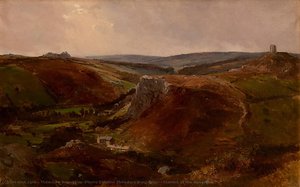
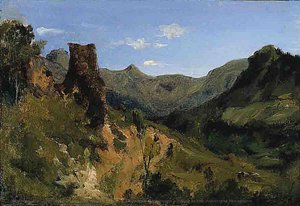
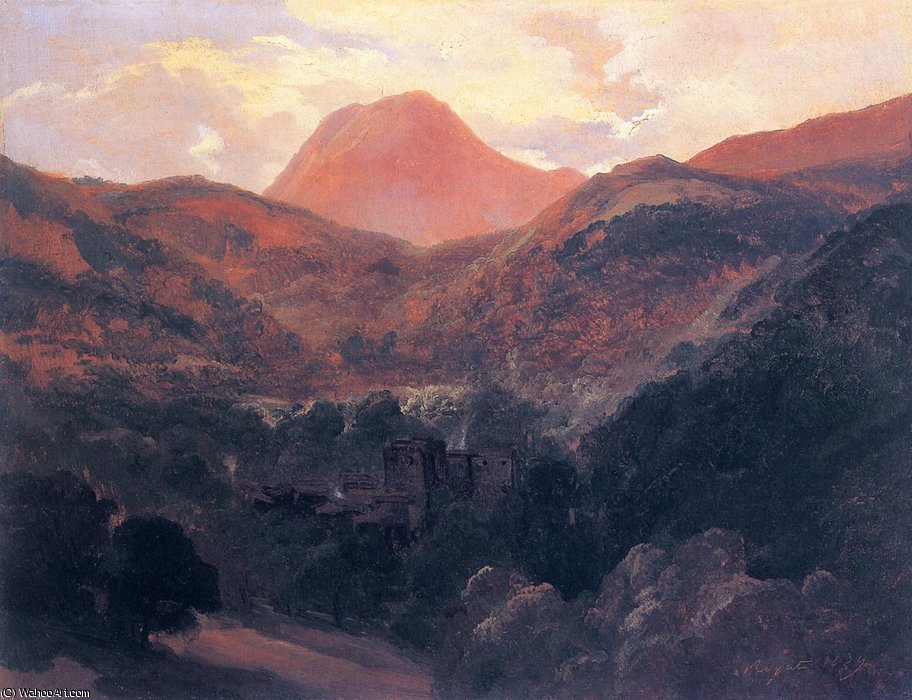
View of the Puy de Dome and Royat

 Read More
Giclée / Art Print
Museum-quality giclée or canvas print with fast production and flexible finish options. ( Buy Hand Made Painting Buy Image)




































Pick from our preset sizes that match the artwork's original proportions.

You may enter your own dimensions to fit a specific frame or space. If your selected size does not match the original image's proportions, we will either crop the artwork or extend the image with a mirrored or solid-fill edge. A digital mockup will be sent for your approval before production begins.
Please note that the on-screen preview does not reflect the actual cropping or extension. Only the mockup will accurately show the final composition.
While custom sizes are available, we recommend selecting a dimension from the predefined list to preserve the original proportions.
Worldwide Delivery () in 2 weeks instead of standard 4/5 weeks. (4 September)

Free Worldwide Express Shipping

High-Quality Linen Canvas

Full Shipping Insurance

Customs Tax Refund Guarantee

True Color Matching Guarantee

60-Day Return Policy (Defects Only)

100% Money-Back Guarantee

Bulk Discount Offer
 Glass option is only available in size under 110 CM

View of the Puy de Dome and Royat
Giclée / Art Print
Reproduction Size
-


Total Price
$ 63
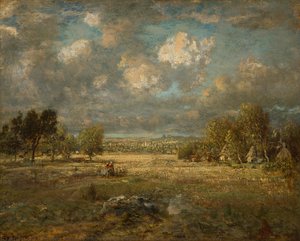
A Majestic Vista: "View of the Puy de Dome and Royat" by Théodore Rousseau
Step into a world of Romantic grandeur with Théodore Rousseau’s captivating landscape, “View of the Puy de Dome and Royat.” This evocative painting transports viewers to the heart of the Auvergne region in France, capturing a breathtaking sunset over its iconic volcanic peak. The scene unfolds as a layered panorama: foreground foliage gradually recedes into the distance, culminating in the imposing silhouette of the Puy de Dome mountain range bathed in the warm glow of twilight. Rousseau’s masterful use of perspective creates an illusion of depth, drawing the eye deeper into the landscape and fostering a sense of awe-inspiring scale.Romanticism and the Barbizon School
Rousseau (1812-1867) was a pivotal figure in the Barbizon School, a group of French artists who championed plein air painting – working directly from nature. This movement, emerging in the mid-19th century, reacted against the academic conventions of the time and sought to capture the raw beauty and emotional power of the natural world. "View of the Puy de Dome and Royat" exemplifies this ethos perfectly. The artwork’s dramatic lighting, expressive brushwork, and focus on atmospheric effects are hallmarks of Romanticism, prioritizing feeling and subjective experience over strict realism. Unlike earlier landscape traditions that often served as backdrops for historical or mythological narratives, Rousseau's work centers the landscape itself as the primary subject, imbuing it with a sense of sublime power.Technique and Artistic Elements
Rousseau’s technique is characterized by its loose and expressive brushwork, evident in the textured surface of the canvas. He skillfully employs oil paints to achieve rich, vibrant colors – predominantly warm hues of reds, oranges, and pinks that dominate the sky and reflect off the mountain slopes. These are contrasted with darker greens and browns used for the trees and lower ground, creating a dynamic interplay of light and shadow. The painting’s composition is carefully considered, utilizing organic lines to follow the contours of the landscape and naturalistic shapes to represent the mountains, trees, and foliage. The directional lighting from the setting sun casts long shadows, further enhancing the dramatic effect and highlighting specific areas within the scene.Symbolism and Emotional Resonance
Beyond its visual appeal, "View of the Puy de Dome and Royat" carries symbolic weight. The mountain itself, a prominent geological feature in the Auvergne region, can be interpreted as representing strength, endurance, and connection to the earth. The sunset evokes feelings of tranquility, reflection, and the fleeting nature of time. Rousseau’s painting invites viewers to contemplate their place within the vastness of nature, fostering a sense of serenity and wonder. The overall emotional impact is one of awe and peaceful contemplation – a testament to Rousseau's ability to capture not just what he saw, but also how he *felt* in response to the beauty of the natural world. This piece offers a window into the Romantic sensibility, where nature served as both inspiration and spiritual refuge.Related Artworks

Artist Biography
Théodore Rousseau: The Soul of the Forest
Étienne Pierre Théodore Rousseau (1812-1867) stands as a cornerstone of French Barbizon School painting, an artistic movement that championed realism and celebrated the grandeur of rural landscapes. Born in Paris to a bourgeois family, Rousseau’s early life was marked by a father who initially resisted his son's passion for art – a sentiment that ultimately softened as he witnessed Rousseau’s unwavering dedication to his craft. This familial support proved crucial as Rousseau navigated the turbulent waters of Parisian artistic circles and faced repeated rebuffs from the Salon authorities, institutions notoriously resistant to avant-garde ideas.- Early Training & Influences: Rousseau's initial artistic education was modest, yet he quickly demonstrated exceptional talent. Recognizing his aptitude, his father encouraged him to pursue painting seriously, prioritizing it over business ventures. He absorbed influences from artists like Jean-François Millet and Eugène Delacroix, whose depictions of peasant life and dramatic landscapes respectively instilled in him a profound appreciation for capturing the essence of nature.
- The Barbizon School & Artistic Philosophy: Rousseau’s artistic vision centered on portraying the natural world with uncompromising accuracy. Rejecting idealized representations favored by Romanticism, he embraced the Barbizon aesthetic – characterized by muted colors, sketchy brushwork, and a focus on atmospheric perspective—to convey the emotional impact of landscapes. He believed that art should serve as a conduit for observing and understanding nature, mirroring its sublime beauty.
- Notable Paintings: Rousseau achieved considerable fame during his lifetime, securing commissions from prominent patrons and exhibiting regularly at the Salon. Among his most celebrated paintings are “The Great Oaks of the Vieux Bas-Breau,” a monumental depiction of ancient trees bathed in golden light; "View of the Puy de Dome and Royat," showcasing a breathtaking sunset over the volcanic peaks of France; and “La Grenouillère” – a poignant portrayal of a picnic scene on the Loire River, imbued with melancholic beauty.
- Influence on Impressionism: Rousseau’s unwavering commitment to realism profoundly impacted subsequent artistic movements. Although he predated Impressionism, his pioneering approach to landscape painting paved the way for artists like Claude Monet and Pierre-Auguste Renoir who sought to capture fleeting moments of light and color—a departure from Rousseau's meticulous observation of natural phenomena.
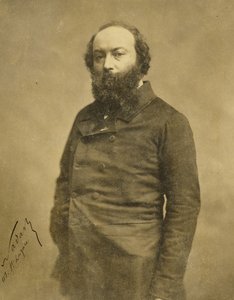
théodore rousseau (pierre etienne théodore rousseau)
1812 - 1867 , France
Quick Facts
- Artistic Movement Or Style: Barbizon School
- Artists Or Movements Influenced By This Artist: ['Impressionism']
- Artists Who Influenced This Artist: ['Jean-François Millet']
- Date Of Birth: April 15, 1812
- Date Of Death: December 22, 1867
- Full Name: Étienne Pierre Théodore Rousseau
- Nationality: French
- Notable Artworks:
- Les Chênes d'Apremont
- The Great Oaks of the Vieux Bas-Breau
- Place Of Birth: Paris, France
Related Articles

John Constable's Masterpieces: Explore 25 Iconic Landscapes for Your Home
Journey through John Constable's 25 most celebrated landscapes. Explore Romanticism, Dedham Vale & his masterful use of light in iconic paintings like 'Hay Wain'. Find museum-quality art reproductions and elevate your home decor on ArtsDot.com.

Romantic Landscapes: 10 Masterpieces for Your Home | ArtsDot
Journey through 10 Romantic landscape masterpieces by Friedrich, Turner & Cole. Explore emotional art, sublime nature scenes & iconic 19th-century paintings. Find museum-quality reproductions for your home at ArtsDot.com – discover the full collection online!

Evocations of Place: A Historical Journey Through Landscape Art
Explore the rich history of landscape art with ArtsDot. Discover renowned artists, movements like Impressionism & Romanticism, and expert guidance for collecting timeless pieces. Find your perfect serene escape today!
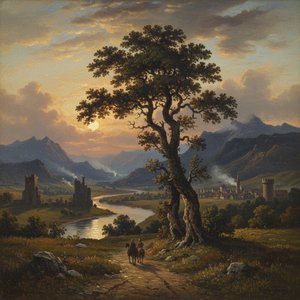
Paul Huet: Capturing the Essence of French Romanticism Through Light and Landscape
Explore the captivating world of Paul Huet (1803-1869), a master of French Romantic landscape painting. Discover his influence on Barbizon & Impressionism, and browse high-quality reproductions at ArtsDot.

Hokusai's Masterpieces: 25 Iconic Prints & Paintings for Art Lovers | ArtsDot
Journey through Katsushika Hokusai’s 25 most iconic artworks, including *The Great Wave*. Explore the ukiyo-e master's history, style & timeless Japanese woodblock prints. Find museum-quality reproductions for your home at ArtsDot.com.