 Preview
 Send
Send Share
Share
 Details

 Download
 Similars
 X-Ray
X-Ray Diaporama
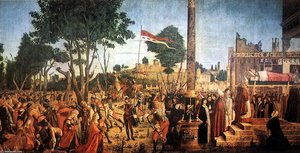
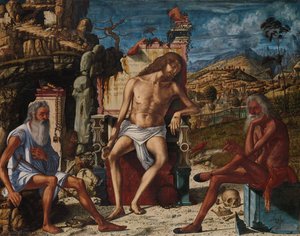
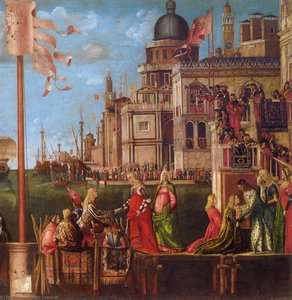
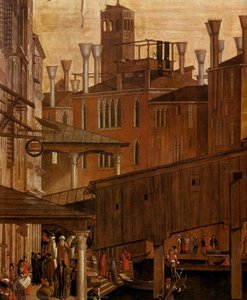
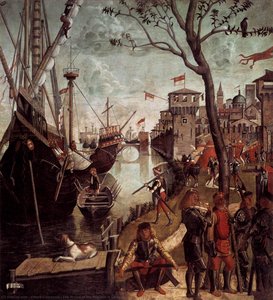
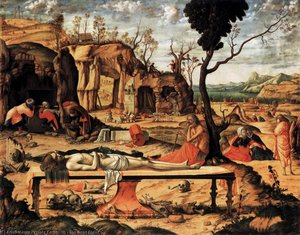
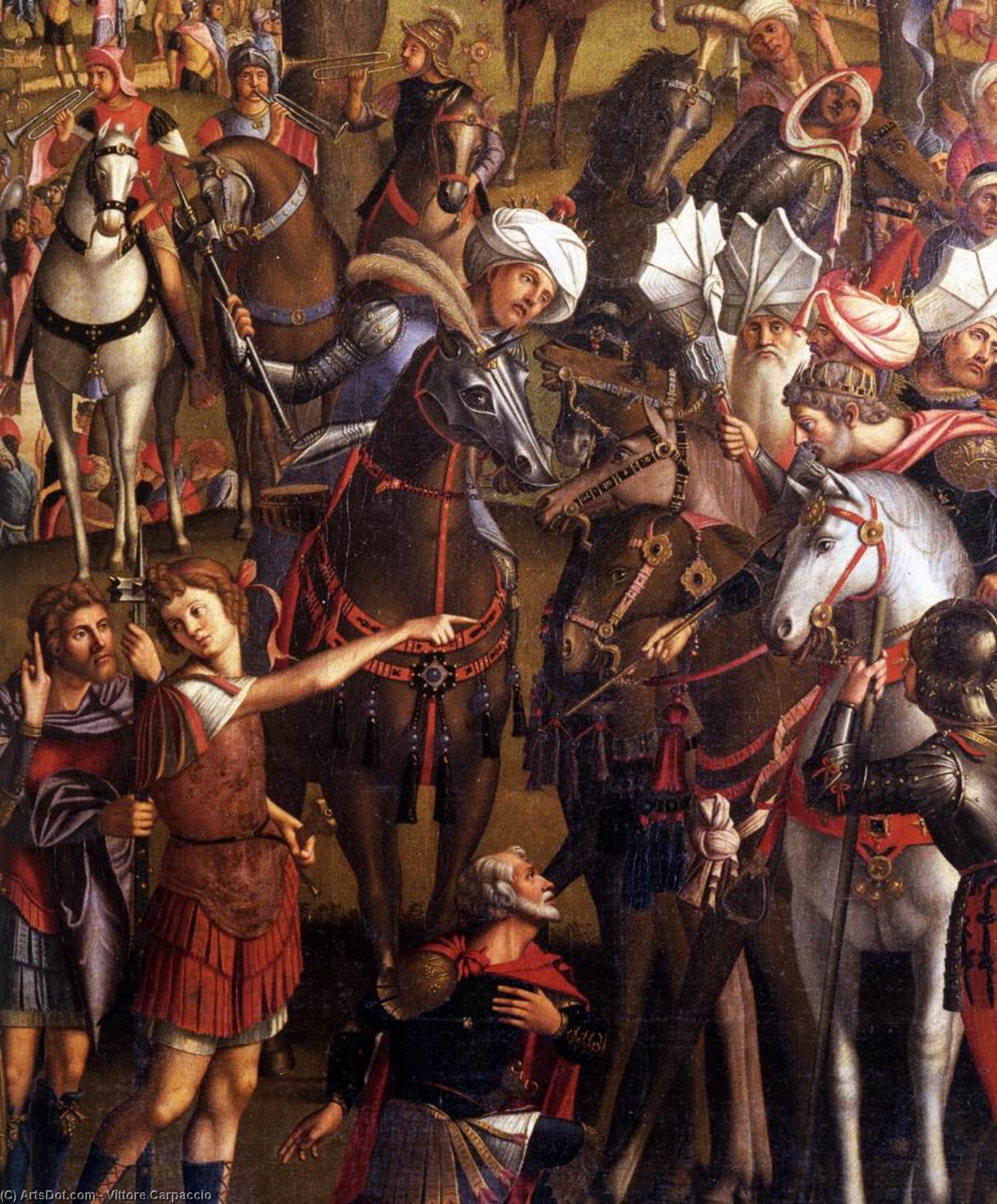
The Ten Thousand Martyrs on the Mount Ararat (detail)


 Read More
Hand Made Oil Reproduction
Hand-painted oil on canvas in your size and frame, made to order by our artists. ( Buy Print Buy Image)




P118B $10

P118H $10

P118W $10

P438Z $10

P508JH $12

P508YH $12

P805H $10

P805Z $10

P919BZ $10

P919G $10

P919XJ $10

P959ZH $10

P968JZ $12

W106C $8

W218G $10

W218JH $8

W218Y $10

W307PJ $10

W316G $10

W316PJ $8

W316Y $10

W398PJ $8

W4111J $10

W500HY $15

W500JH $15

W692G $12

W849H $8

W940BG $15

W953PJ $8




Pick from our preset sizes that match the artwork's original proportions.

You may enter your own dimensions to fit a specific frame or space. If your selected size does not match the original image's proportions, we will either crop the artwork or extend the painting with additional hand-painted elements. A digital mockup will be sent for your approval before production begins.
Please note that the on-screen preview does not reflect the actual cropping or extension. Only the mockup will accurately show the final composition.
While custom sizes are available, we recommend selecting a dimension from the predefined list to preserve the original proportions.
After order, ArtsDot.com team will email client for instructions and provide a mockup preview
Worldwide Delivery () in 3/4 weeks instead of standard 5 weeks. (16 August). No compromise on quality.

Free Worldwide Express Shipping

High-Quality Linen Canvas

Full Shipping Insurance

Customs Tax Refund Guarantee

True Color Matching Guarantee

60-Day Return Policy (Defects Only)

100% Money-Back Guarantee

Bulk Discount Offer
 Glass option is only available in size under 110 CM

The Ten Thousand Martyrs on the Mount Ararat (detail)
Reproduction Medium
Reproduction Size
-


Total Price
$ 263
Artwork Description
A Dramatic Chronicle of Faith and Sacrifice
Vittore Carpaccio’s “The Ten Thousand Martyrs on the Mount Ararat” is not merely a painting; it's a visceral plunge into a medieval legend, rendered with the meticulous detail and profound emotional depth that defined the Venetian painter’s distinctive style. Completed around 1515, this monumental work—originally adorning an altarpiece in Venice—captures a pivotal moment from the story of Roman soldiers who, witnessing the brutal persecution of Christians, embraced faith and ultimately met their demise on the slopes of Mount Ararat. Carpaccio masterfully transforms a potentially dry historical narrative into a powerfully moving depiction of conversion, sacrifice, and divine grace.
The scene unfolds with arresting clarity. A vast throng of soldiers, clad in the garb of Roman legionaries, are depicted in various stages of their transformation – some kneeling in supplication, others raising their arms towards the heavens, while a few are already being crucified. The composition is remarkably dynamic, eschewing the static formality often associated with earlier Venetian painting. Carpaccio employs a technique that blends elements of late Gothic and Early Netherlandish art, evident in his careful rendering of architectural details – the rugged terrain of Mount Ararat dominates the background—and his use of layered perspective to create a sense of depth and drama. The color palette is rich and earthy, dominated by ochres, browns, and deep reds, lending the scene an atmosphere of solemnity and intensity.
The Legend and its Venetian Echoes
The story behind “The Ten Thousand Martyrs” is rooted in a legend that gained traction during the late Middle Ages. It recounts how Emperor Decius ordered the execution of Christians, including ten thousand soldiers who had previously served in his army. However, these soldiers, witnessing the suffering of their fellow believers, underwent a profound spiritual awakening and converted to Christianity. They were subsequently crucified on Mount Ararat as a testament to their newfound faith. This narrative resonated deeply with contemporary audiences, serving as a potent symbol of personal transformation and unwavering devotion.
Carpaccio’s painting reflects the broader cultural context of 16th-century Venice—a city grappling with religious reform, political intrigue, and burgeoning artistic innovation. The legend of the Ten Thousand Martyrs provided fertile ground for exploring themes of faith, martyrdom, and the power of conversion – subjects that were particularly relevant to a society undergoing significant social and religious change. Interestingly, Carpaccio’s depiction draws parallels to Dante Alighieri's *Divine Comedy*, specifically the ascent to Mount Ararat, mirroring Dante’s own journey through Purgatory. The spiraling path leading towards the heavens suggests a process of purification and spiritual elevation.
Symbolism and Emotional Resonance
Beyond its narrative content, “The Ten Thousand Martyrs” is laden with symbolic meaning. The soldiers themselves represent humanity's capacity for redemption—a testament to the transformative power of faith. The crucifixion, a central motif in Christian iconography, symbolizes sacrifice and atonement for sins. The angel appearing in the background, offering guidance and reassurance, embodies divine grace and intervention. Carpaccio’s masterful use of light and shadow further enhances the emotional impact of the scene, creating a sense of drama and highlighting the figures' expressions of anguish, hope, and devotion.
Furthermore, the painting offers a glimpse into Venetian society at the time—a vibrant, cosmopolitan city with a deep appreciation for exotic cultures. The depiction of the soldiers as Moslems, complete with turbans and crescent-moon banners, reflects Venice’s extensive trade networks and its engagement with the wider world. Carpaccio's work is not simply a historical record; it’s a complex tapestry woven from religious belief, cultural exchange, and artistic innovation—a testament to the enduring power of storytelling through art.
A Timeless Masterpiece – Reproductions and Beyond
Reproductions of “The Ten Thousand Martyrs on the Mount Ararat” offer an exceptional opportunity to experience the grandeur and emotional depth of Carpaccio’s masterpiece. Whether adorning a grand salon or a more intimate space, this painting's dramatic composition and evocative imagery will undoubtedly captivate viewers for generations to come. Consider commissioning a hand-painted reproduction—a faithful recreation that captures the essence of Carpaccio’s original work, allowing you to bring this iconic Venetian scene into your own home.
Related Artworks

Artist Biography
early life and training
vittore carpaccio, a prominent italian painter, was born in venice around 1465. he studied under the tutelage of gentile bellini, a renowned artist of the venetian school. this apprenticeship laid the foundation for carpaccio's future success.artistic style and influences
carpaccio's style was characterized by its conservative nature, showing minimal influence from the humanist trends that transformed italian renaissance painting during his lifetime. his work was influenced by antonello da messina's style and early netherlandish art. this unique blend of styles resulted in a distinctive approach to venetian painting.notable works
- the legend of saint ursula, a cycle of nine paintings, is carpaccio's most famous work. this series, now housed in the gallerie dell'accademia, showcases his mastery of narrative painting.
- glory of st. ursula altarpiece (1491) demonstrates carpaccio's skill in capturing light and color, reminiscent of giovanni bellini's style.
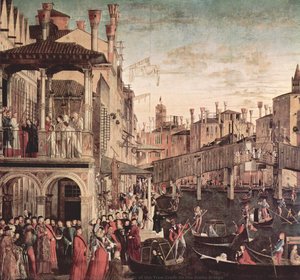
- miracle of the relic of the cross at the ponte di rialto (1494) highlights carpaccio's ability to balance composition and narrative.
career highlights and legacy
- carpaccio's principal works were executed between 1490 and 1519, ranking him among the early masters of the venetian renaissance.
- his orientalist style, as seen in st. george baptizing the selenites, reflects a new fascination with the levant.
- carpaccio's work has been somewhat overlooked in comparison to his contemporaries, such as giovanni bellini or giorgione.
references and further reading
discover more about vittore carpaccio and the venetian school on ArtsDot.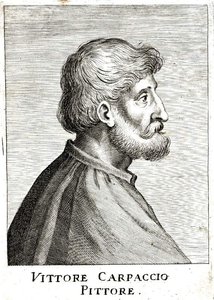
Vittore Carpaccio
1465 - 1526 , Italy
Quick Facts
- Artistic Movement Or Style: Early Venetian Renaissance
- Artists Or Movements Influenced By This Artist: ['Early Netherlandish Painting']
- Artists Who Influenced This Artist:
- Antonello da Messina
- Gentile Bellini
- Date Of Birth: Venice, Italy (c. 1465)
- Date Of Death: 1526
- Full Name: Vittore Carpaccio
- Nationality: Italian
- Notable Artworks:
- The Legend of Saint Ursula
- Glory of St. Ursula Altarpiece
- Miracle of the Relic of the Cross at the Ponte di Rialto
- Place Of Birth: Venice
Related Articles
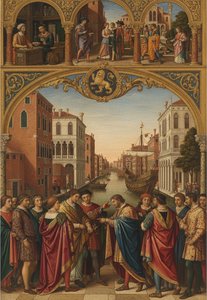
Vittore Carpaccio: Venetian Renaissance Narrative & the Poetics of Detail
Explore the captivating world of Vittore Carpaccio, a master storyteller of the Venetian Renaissance. Discover his intricate details, narrative cycles like 'The Legend of St. Ursula,' and unique artistic style.

Hokusai's Masterpieces: 25 Iconic Prints & Paintings for Art Lovers | ArtsDot
Journey through Katsushika Hokusai’s 25 most iconic artworks, including *The Great Wave*. Explore the ukiyo-e master's history, style & timeless Japanese woodblock prints. Find museum-quality reproductions for your home at ArtsDot.com.

ArtsDot.com F.A.Q.: Elevating Your Art Investment – Framing & Mounting for Discerning Collectors
Elevate your art investment with ArtsDot.com's expert framing & mounting guide. Discover museum-quality options, custom solutions, and preservation techniques for discerning collectors. Protect & showcase your masterpieces.

Geometric Abstraction's 10 Defining Masterpieces | Art for Your Home - ArtsDot
Explore 10 defining masterpieces of Geometric Abstraction! Discover Kandinsky, Mondrian & Malevich’s iconic works. Find museum-quality art reproductions and curated decor ideas to elevate your home at ArtsDot.com.

Romantic Realism's Finest: 10 Masterpieces for Your Home | ArtsDot
Explore 10 defining masterpieces of Romantic Realism! Discover Courbet, Millet & Daumier's powerful paintings—capturing emotion and social realities. Find museum-quality reproductions for your home at ArtsDot.com.