 Preview
 Send
Send Share
Share
 Details

 Download
 Similars
 X-Ray
X-Ray Diaporama
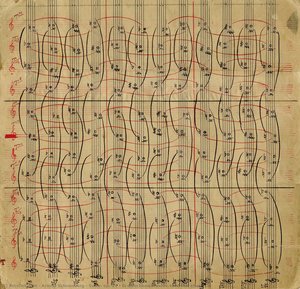
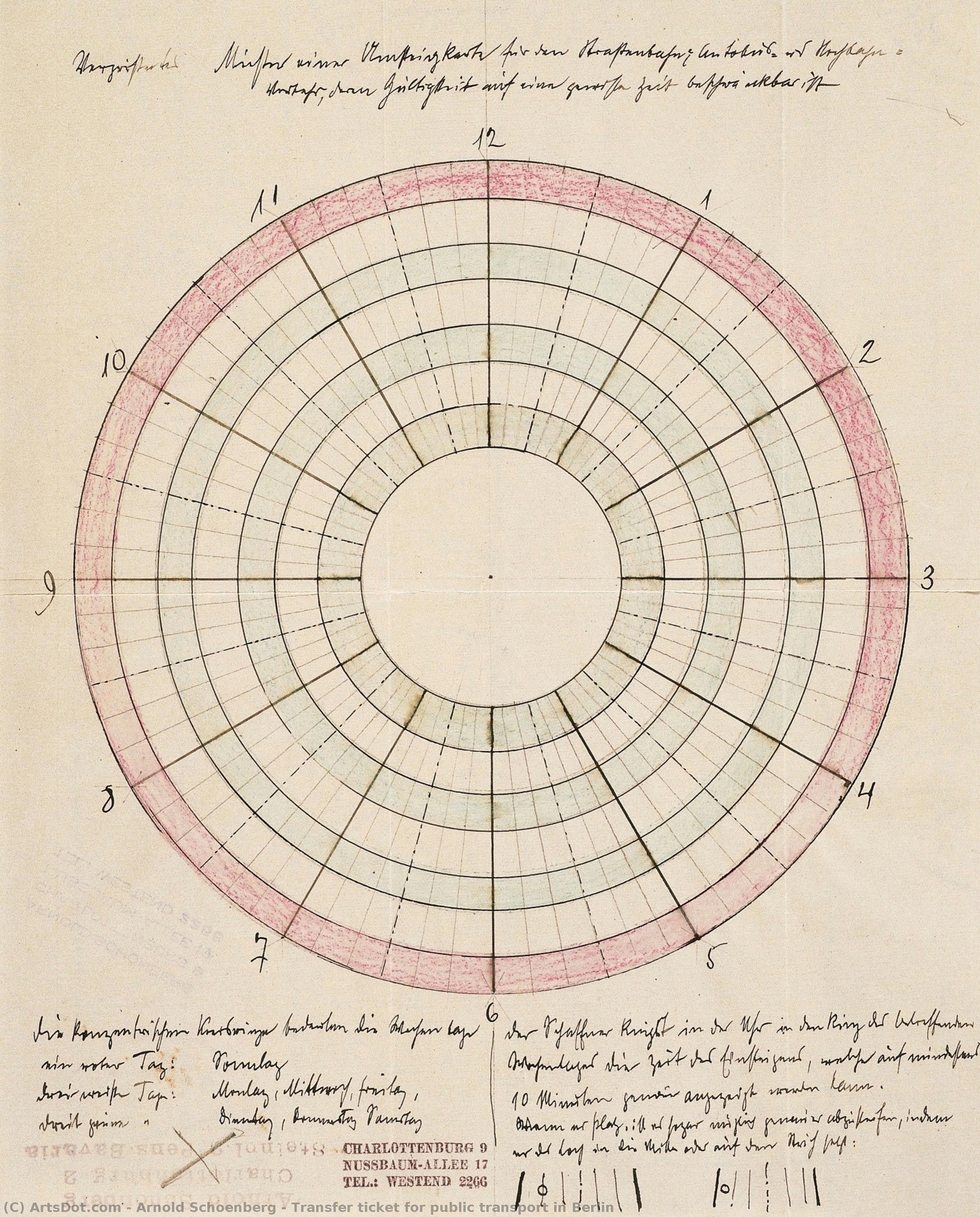
Transfer ticket for public transport in Berlin
 Acrylic On Canvas
- WallArt
- Expressionist Modernism
 1927
1927 21.0 x 26.0 cm
 Arnold Schönberg Center
 Read More
Hand Made Oil Reproduction
Hand-painted oil on canvas in your size and frame, made to order by our artists. ( Buy Print Buy Image)




P118B $10

P118H $10

P118W $10

P438Z $10

P508JH $12

P508YH $12

P805H $10

P805Z $10

P919BZ $10

P919G $10

P919XJ $10

P959ZH $10

P968JZ $12

W106C $8

W218G $10

W218JH $8

W218Y $10

W307PJ $10

W316G $10

W316PJ $8

W316Y $10

W398PJ $8

W4111J $10

W500HY $15

W500JH $15

W692G $12

W849H $8

W940BG $15

W953PJ $8




Pick from our preset sizes that match the artwork's original proportions.

You may enter your own dimensions to fit a specific frame or space. If your selected size does not match the original image's proportions, we will either crop the artwork or extend the painting with additional hand-painted elements. A digital mockup will be sent for your approval before production begins.
Please note that the on-screen preview does not reflect the actual cropping or extension. Only the mockup will accurately show the final composition.
While custom sizes are available, we recommend selecting a dimension from the predefined list to preserve the original proportions.
After order, ArtsDot.com team will email client for instructions and provide a mockup preview
Worldwide Delivery () in 3/4 weeks instead of standard 5 weeks. (17 August). No compromise on quality.

Free Worldwide Express Shipping

High-Quality Linen Canvas

Full Shipping Insurance

Customs Tax Refund Guarantee

True Color Matching Guarantee

60-Day Return Policy (Defects Only)

100% Money-Back Guarantee

Bulk Discount Offer
 Glass option is only available in size under 110 CM

Transfer ticket for public transport in Berlin
Reproduction Medium
Reproduction Size
-


Total Price
$ 263
Artwork Description
A Functional Masterpiece: Arnold Schönberg’s Revolutionary Berlin Transport Ticket
This meticulously crafted hand-painted reproduction captures a pivotal moment in design history – the 1927 transfer ticket for the Berlin tram system, conceived by the visionary composer Arnold Schönberg. Far more than simply a means of payment, this circular artifact represents a radical shift towards efficiency and user experience, anticipating modern transit systems by nearly a century. Schönberg’s design wasn't born from artistic indulgence; it stemmed from a pragmatic desire to streamline urban travel, reflecting his broader interest in improving infrastructure through machine-like precision.
- The Innovation: The ticket’s ingenious concentric circles delineate the days of the week, while radial lines mark the hours, eliminating the need for cumbersome individual tickets. This system allowed passengers to seamlessly transfer between trams simply by indicating their departure and arrival times – a concept remarkably forward-thinking for its time.
- A Brief Encounter: Schönberg’s design was submitted to the Berlin tram company in January 1927, accompanied by a terse letter suggesting further refinements if needed. Despite his brilliance, the company seemingly lacked the vision to fully embrace his innovative approach, marking a poignant footnote to this remarkable creation.
A Symphony of Form and Function
The artwork itself is a testament to Schönberg’s meticulous attention to detail. The drawing, rendered with impressive precision, showcases a circle dominated by numerical markings arranged in a deliberate pattern. A bold red border frames the design, immediately drawing the eye and emphasizing its importance. The arrangement of numbers – representing days and hours – creates a visually compelling map, subtly guiding the viewer through the complexities of Berlin’s tram network. The use of clear lines and geometric shapes speaks to Schönberg's interest in rational design principles, reflecting his background as a composer focused on structure and order.
Historical Context: Vienna’s Creative Crucible
Born in Vienna in 1874, Arnold Schönberg was a central figure in the vibrant artistic scene of early 20th-century Austria. Initially influenced by Brahms and Wagner, he later pioneered atonality – a revolutionary approach to music that abandoned traditional tonal harmony. This experimentation with unconventional structures mirrored his design thinking; he sought to break free from established norms and create something entirely new. Schönberg’s relocation to the United States during the rise of Nazism further cemented his legacy as a champion of innovation and artistic freedom.
Symbolic Resonance & Emotional Impact
Beyond its functional purpose, the ticket evokes a sense of movement, connection, and progress. The circular form symbolizes completeness and cyclical time – mirroring the continuous flow of urban life. The meticulous design speaks to Schönberg’s belief in order and efficiency, while also hinting at the potential for unexpected journeys and discoveries. This reproduction offers a tangible link to a moment of creative brilliance, inviting contemplation on the intersection of art, technology, and human experience.
Related Artworks
Artist Biography
early life and musical beginnings
arnold schoenberg, an austrian-american composer, was born on september 13, 1874, in vienna, austria. his early life was marked by a humble beginning, with his father being a shoe-shopkeeper. despite this, schoenberg's innate passion for music led him to largely self-educate himself in the field.- schoenberg explored film music and wrote more tonal music, completing his chamber symphony no. 2 in 1939.
- he satirized fascist tyrants in ode to napoleon (1942), after byron.
- post-war vienna offered him honorary citizenship, but he was ill, as depicted in his string trio (1946).
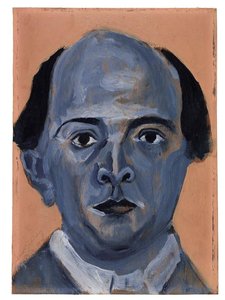
arnold schoenberg
1874 - 1951 , Austria
Quick Facts
- Artistic Movement Or Style: Twelve-tone technique; Expressionism
- Artists Or Movements Influenced By This Artist:
- Anton Webern
- Alban Berg
- Artists Who Influenced This Artist:
- Johannes Brahms
- Richard Wagner
- Date Of Birth: September 13, 1874
- Date Of Death: 1951
- Full Name: Arnold Schoenberg
- Nationality: Austrian-American
- Notable Artworks:
- Suite, op. 29
- Music Typewriter
- Staffliner
- Place Of Birth: Vienna, Austria
Related Articles

Giclée Prints: Archival Quality & Aesthetic Nuances for the Discerning Collector
Explore the world of giclée prints with ArtsDot. Learn about archival quality, aesthetic nuances & investment potential. Expert guidance for discerning art collectors seeking museum-quality reproductions and lasting value.

The Enduring Legacy of Fine Art Prints: Technique, History & Aesthetic Impact
Explore the rich history & techniques of fine art prints. Discover investment potential, assess authenticity, and learn how to preserve your collection with expert guidance. Trusted insights for discerning collectors.

Echoes of Time: Exploring the Enduring Appeal & Historical Context of Vintage Art Prints
Explore the captivating world of vintage art prints! Discover their history, collecting tips & enduring appeal. Expert insights on chromolithography and building a legacy collection with ArtsDot.
Staatliche Museen Berlin: 25 Masterpieces for Your Home | ArtsDot
Journey through 25 iconic artworks at Staatliche Museen Berlin! Explore Nefertiti, Pergamon Altar & masterpieces of German art history. Find museum-quality reproductions & curated decor ideas to bring timeless beauty home. Discover all masterpieces on ArtsDot.com.
The Enduring Legacy of Printmaking: Techniques, Themes & Artistic Innovation Across Centuries
Explore the rich history of printmaking with ArtsDot. Discover techniques from intaglio to lithography, learn about collecting valuable prints & find museum-quality reproductions. Expert insights for art enthusiasts and collectors.