 Preview
 Send
Send Share
Share
 Details

 Download
 Similars
 X-Ray
X-Ray Diaporama
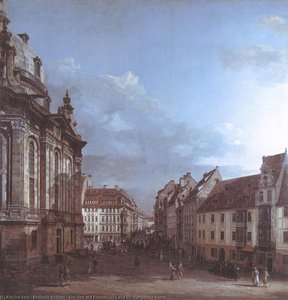
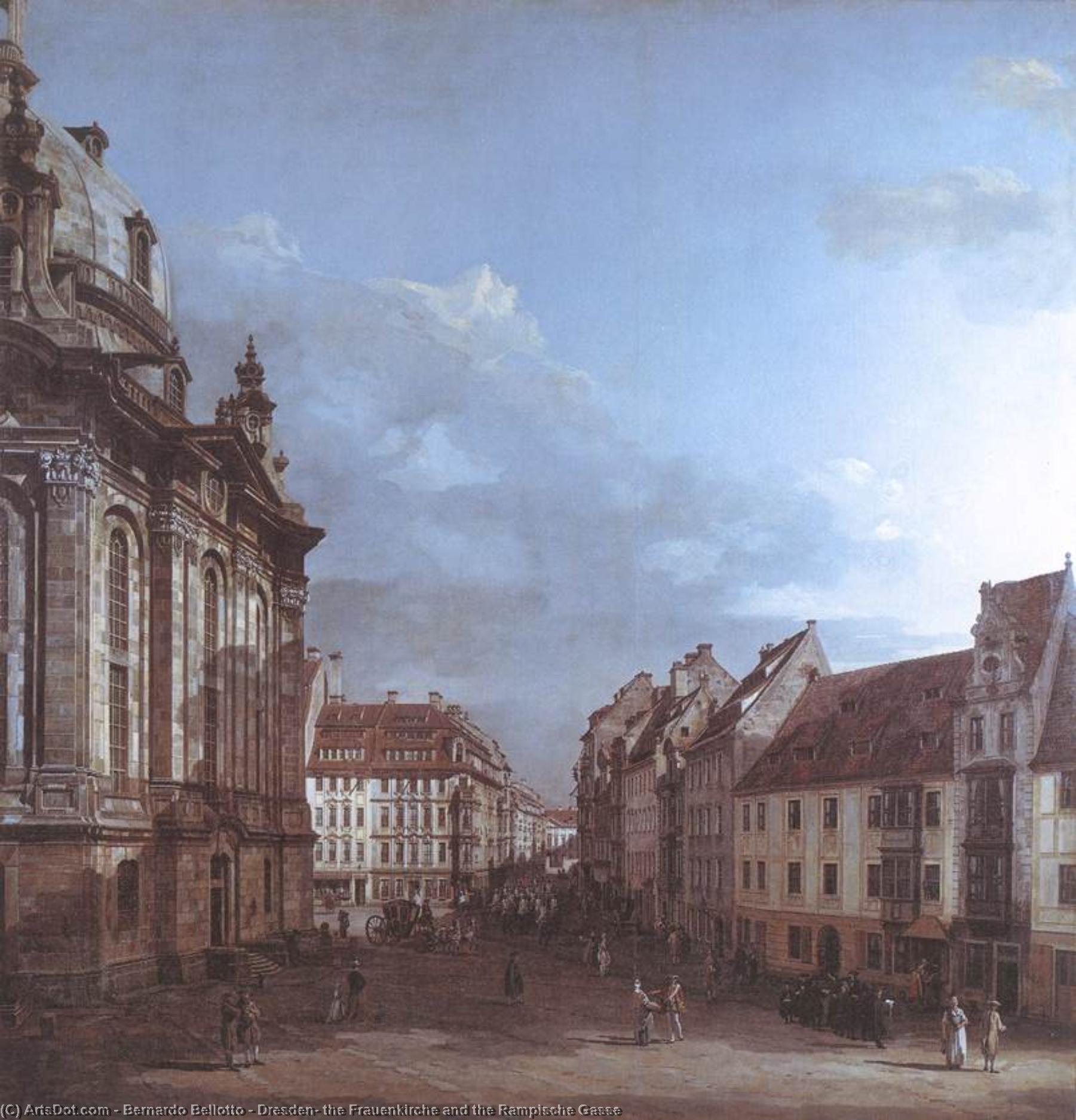
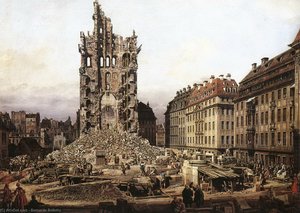
Dresden, the Frauenkirche and the Rampische Gasse
 Oil On Canvas
- WallArt
- Rococo
 1749
1749 193.0 x 186.0 cm
 Gemäldegalerie
 Read More
Hand Made Oil Reproduction
Hand-painted oil on canvas in your size and frame, made to order by our artists. ( Buy Print Buy Image)




P118B $10

P118H $10

P118W $10

P438Z $10

P508JH $12

P508YH $12

P805H $10

P805Z $10

P919BZ $10

P919G $10

P919XJ $10

P959ZH $10

P968JZ $12

W106C $8

W218G $10

W218JH $8

W218Y $10

W307PJ $10

W316G $10

W316PJ $8

W316Y $10

W398PJ $8

W4111J $10

W500HY $15

W500JH $15

W692G $12

W849H $8

W940BG $15

W953PJ $8




Pick from our preset sizes that match the artwork's original proportions.

You may enter your own dimensions to fit a specific frame or space. If your selected size does not match the original image's proportions, we will either crop the artwork or extend the painting with additional hand-painted elements. A digital mockup will be sent for your approval before production begins.
Please note that the on-screen preview does not reflect the actual cropping or extension. Only the mockup will accurately show the final composition.
While custom sizes are available, we recommend selecting a dimension from the predefined list to preserve the original proportions.
After order, ArtsDot.com team will email client for instructions and provide a mockup preview
Worldwide Delivery () in 3/4 weeks instead of standard 5 weeks. (30 August). No compromise on quality.

Free Worldwide Express Shipping

High-Quality Linen Canvas

Full Shipping Insurance

Customs Tax Refund Guarantee

True Color Matching Guarantee

60-Day Return Policy (Defects Only)

100% Money-Back Guarantee

Bulk Discount Offer
 Glass option is only available in size under 110 CM

Dresden, the Frauenkirche and the Rampische Gasse
Reproduction Medium
Reproduction Size
-


Total Price
$ 338
Dresden, the Frauenkirche and the Rampische Gasse by Bernardo Bellotto
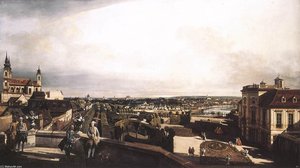
Bernardo Bellotto’s 1749 oil painting stands as a testament to Baroque artistry and Dresden’s enduring beauty—a poignant reminder of what was lost during World War II. More than just a depiction of a cityscape, it's an immersive experience into the atmosphere and grandeur of Saxon capital at the cusp of the Enlightenment.
Subject Matter & Composition: The artwork captures a panoramic view of Dresden’s Frauenkirche (Church of Our Lady) alongside the Rampische Gasse—a lively street known for its taverns and theatrical performances. Bellotto meticulously rendered the architectural details of both buildings, prioritizing the imposing Frauenkirche on the left side and balancing it with a row of structures on the right. The composition is broadly symmetrical, reflecting the artistic conventions of the time and emphasizing stability and grandeur.
Style & Technique: Bellotto’s style embodies the Baroque tradition—characterized by dramatic lighting, rich textures, and idealized representations. He skillfully employed linear perspective to create depth, guiding the viewer's eye through the scene. The artist utilized meticulous brushwork to build up surfaces, capturing the nuances of light and shadow with remarkable precision. Materials used were oil paints on canvas, ensuring durability and allowing for a luminous finish.
Historical Context: Painted in 1749, shortly before Dresden endured devastating bombing during the Second World War, Bellotto’s work serves as an invaluable record of the city's pre-war splendor. Commissioned by King August III of Poland, Bellotto undertook a monumental task—preserving Dresden’s architectural heritage for posterity. His dedication to capturing the essence of the cityscape reflects the broader artistic ambitions of the era.
Symbolism & Emotional Impact: The Frauenkirche symbolizes religious faith and civic pride – its towering presence dominating the visual landscape. Simultaneously, the Rampische Gasse embodies everyday life—the bustle of commerce, the social interactions of citizens, and the vibrancy of Dresden’s cultural scene. Bellotto's masterful rendering evokes a sense of awe and contemplation, inviting viewers to appreciate both the grandeur of architectural achievement and the richness of human experience.
Further Information: This painting resides in the Staatliche Kunstsammlungen Dresden (Saxon State Museums), where it continues to inspire admiration for its artistic merit and historical significance. You can explore more about Bellotto’s oeuvre and Dresden's architectural history on the museum’s website.
Related Artworks
Artist Biography
early life and training
bernardo bellotto, a renowned italian painter, was born in venice around 1721/2 or on january 30, 1721. he was the nephew and pupil of the famous giovanni antonio canal canaletto, a prominent figure in the venetian school of painting.artistic style and career
bellotto's artistic style was characterized by his elaborate representation of architectural and natural vistas, as well as the unique quality of each place's lighting. he was known for his exceptional skill in capturing the essence of urban landscapes, which led to his invitation to work for various european monarchs.- he traveled to rome (1742), northern italy (1744-1745), and later moved to dresden (1747-1758) at the behest of king august iii of poland.
- his works in dresden preserved the city's pre-war beauty, now destroyed.
- he received an invitation from empress maria theresa to work in vienna (1758), where he painted the city's monuments.
notable works and legacy
some of bellotto's notable works include:- view of the grand canal: santa maria della salute and the dogana from campo santa maria zobenigo (1743)
- architectural capriccio with a self-portrait of bellotto in the costume of a venetian nobleman
museums and collections
bellotto's works can be found in various museums, including the pinacoteca di vicenza in italy. to explore more of his artwork, visit [https://ArtsDot.com/@/bernardo bellotto](https://ArtsDot.com/@/bernardo bellotto) and discover the world of art.references
* /en/art/show/art-d3baj3-en/ * [https://www.wikiart.org/en/bernardo-bellotto/](https://www.wikiart.org/en/bernardo-bellotto/) * [https://fr.wikipedia.org/wiki/bernardo_bellotto](https://fr.wikipedia.org/wiki/bernardo_bellotto)
Bernardo Bellotto
1721 - 1780 , Italy
Quick Facts
- Artistic Movement Or Style: Vedute painting
- Artists Or Movements Influenced By This Artist: ['Urban reconstruction']
- Artists Who Influenced This Artist: ['Giovanni Canaletto']
- Date Of Birth: 1721
- Date Of Death: 1780
- Full Name: Bernardo Bellotto
- Nationality: Italian
- Notable Artworks:
- View of the Grand Canal
- Architectural Capriccio
- Place Of Birth: Venice, Italy
Related Articles
Bernardo Bellotto: Canaletto's Nephew & Master of Veduta Painting – A Comprehensive Exploration
Explore the life & art of Bernardo Bellotto, Canaletto’s nephew and a master of veduta painting. Discover his stunning cityscapes of Dresden & Warsaw, artistic techniques, and lasting legacy. Expert insights for collectors.

German Expressionism's 10 Defining Masterpieces | Art for Your Home
Explore 10 defining German Expressionism masterpieces – from Munch's 'The Scream' to Kandinsky’s abstracts. Discover the artists, stories & bold colors behind this powerful art movement. Find museum-quality reproductions at ArtsDot.com.
18th Century Masters: 10 Artworks That Define an Era | ArtsDot
Journey through 18th century art! Explore 10 iconic paintings – from Rococo elegance to Neoclassical grandeur. Discover Fragonard, David & more. Find museum-quality reproductions and elevate your home decor on ArtsDot.com.
Urban Visions: A Historical & Artistic Exploration of the Cityscape in Painting
Explore the evolution of cityscape painting from historical maps to Impressionist masterpieces. Discover artists like Caillebotte, Utrillo & Matsumoto Shunsuke. Find museum-quality reproductions at ArtsDot.
Anton von Werner: Imperial Painter, Historical Witness & Shifting German Identity
Explore the life & work of Anton von Werner, Imperial Germany's leading painter. Discover his dramatic depictions of war, unification, and court life – a fascinating insight into 19th-century German history & art.