 Preview
 Send
Send Share
Share
 Details

 Download
 Similars
 X-Ray
X-Ray Diaporama
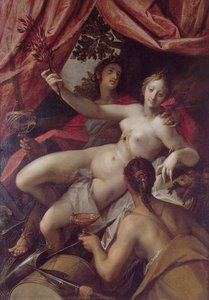
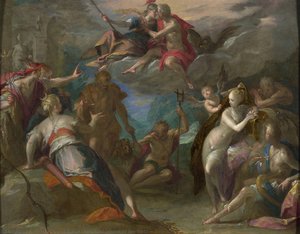
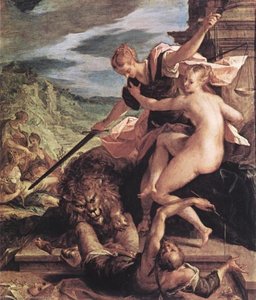
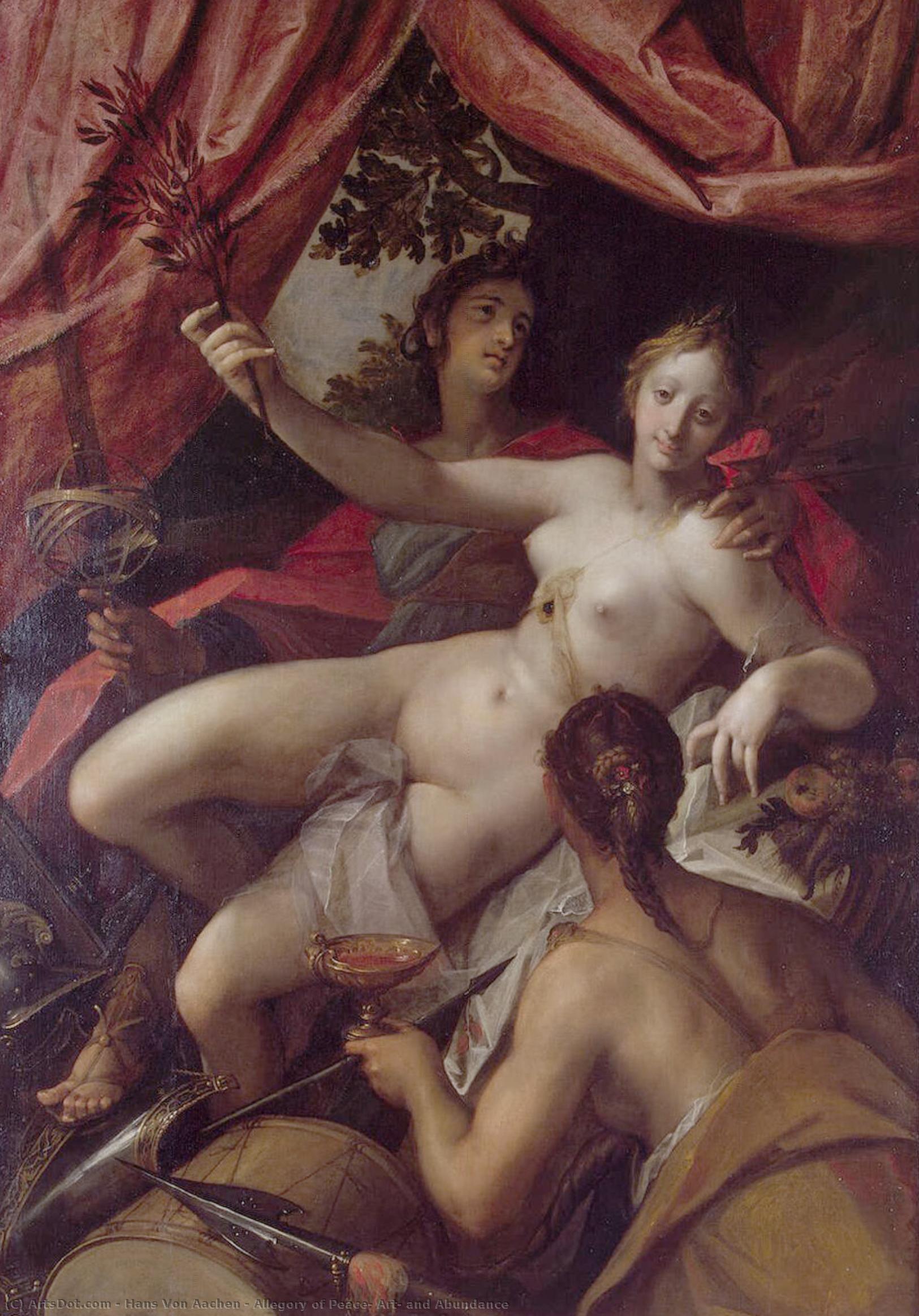
Allegory of Peace, Art, and Abundance
 Acrylic On Canvas
- WallArt
- Mannerist Painting
 1602
1602 197.0 x 142.0 cm
 Hermitage Museum
 Read More
Hand Made Oil Reproduction
Hand-painted oil on canvas in your size and frame, made to order by our artists. ( Buy Print Buy Image)




P118B $10

P118H $10

P118W $10

P438Z $10

P508JH $12

P508YH $12

P805H $10

P805Z $10

P919BZ $10

P919G $10

P919XJ $10

P959ZH $10

P968JZ $12

W106C $8

W218G $10

W218JH $8

W218Y $10

W307PJ $10

W316G $10

W316PJ $8

W316Y $10

W398PJ $8

W4111J $10

W500HY $15

W500JH $15

W692G $12

W849H $8

W940BG $15

W953PJ $8




Pick from our preset sizes that match the artwork's original proportions.

You may enter your own dimensions to fit a specific frame or space. If your selected size does not match the original image's proportions, we will either crop the artwork or extend the painting with additional hand-painted elements. A digital mockup will be sent for your approval before production begins.
Please note that the on-screen preview does not reflect the actual cropping or extension. Only the mockup will accurately show the final composition.
While custom sizes are available, we recommend selecting a dimension from the predefined list to preserve the original proportions.
After order, ArtsDot.com team will email client for instructions and provide a mockup preview
Worldwide Delivery () in 3/4 weeks instead of standard 5 weeks. (27 August). No compromise on quality.

Free Worldwide Express Shipping

High-Quality Linen Canvas

Full Shipping Insurance

Customs Tax Refund Guarantee

True Color Matching Guarantee

60-Day Return Policy (Defects Only)

100% Money-Back Guarantee

Bulk Discount Offer
 Glass option is only available in size under 110 CM

Allegory of Peace, Art, and Abundance
Reproduction Medium
Reproduction Size
-


Total Price
$ 263
Artwork Description
Allegory of Peace, Art, and Abundance – A Renaissance Tapestry of Prosperity
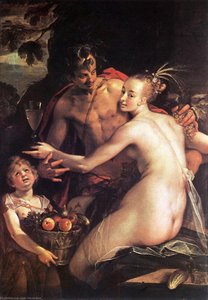
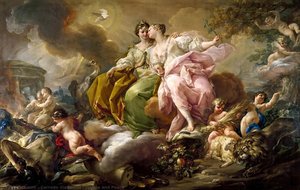
Hans von Aachen’s “Allegory of Peace, Art, and Abundance,” painted in Cologne around 1602, is more than just a beautiful depiction; it's a meticulously crafted visual argument for the flourishing of a civilized society. This remarkable work, now housed within the Hermitage Museum in St. Petersburg, offers a rare glimpse into the artistic sensibilities of the Northern Mannerist period – a style characterized by its dramatic lighting, elongated figures, and an intense focus on symbolism. The painting immediately commands attention with its rich palette: deep reds and golds dominate, contrasted against cool blues and greens, creating a sense of opulent grandeur that speaks to both earthly wealth and divine grace.
At the heart of the composition stand three elegantly posed women, each embodying a key element of the allegory. The central figure, draped in flowing robes, holds a vase overflowing with fruits – a potent symbol of abundance and fertility. To her right, another woman cradles a wine glass, representing not just indulgence but also the celebration of life’s pleasures and the importance of social harmony. And on the left, a third woman gestures towards a book, signifying knowledge, wisdom, and the enduring legacy of art itself. These figures aren't merely decorative; they are carefully positioned to create a dynamic narrative, guiding the viewer through a complex web of interconnected ideas.
The Mannerist Influence – Drama and Detail
Von Aachen’s style is deeply rooted in the traditions of Flemish Renaissance painting, yet he infused it with the dramatic flair characteristic of Mannerism. Notice the elongated figures, particularly the graceful curves of the women's robes, and the intricate details that adorn their garments and surroundings. The artist masterfully employs *chiaroscuro* – the skillful manipulation of light and shadow – to create a sense of theatrical depth and heighten the emotional impact of the scene. The background is filled with an array of objects: cups, bowls, knives, books, musical instruments, and even a bird perched on a branch—each carefully chosen to reinforce the central theme of prosperity and cultural refinement. The meticulous rendering of textures – from the velvet of the robes to the polished sheen of the silver – demonstrates Von Aachen’s exceptional technical skill.
A Window into Imperial Patronage
The “Allegory of Peace, Art, and Abundance” was commissioned for Emperor Rudolf II, a renowned art collector and patron of the arts. Rudolf II's court in Prague was a vibrant hub of artistic activity, attracting artists from across Europe. This painting reflects the emperor’s fascination with classical antiquity, mythology, and the celebration of human achievement – all themes central to Mannerist aesthetics. The inclusion of objects associated with learning and culture underscores the importance of intellectual pursuits within the imperial court. It's a testament to the power of art as a tool for projecting an image of wealth, sophistication, and cultural authority.
Symbolism and Emotional Resonance
Beyond its technical brilliance, the painting resonates deeply with viewers due to its potent symbolism. The overall composition suggests a harmonious balance between earthly pleasures and spiritual ideals – a reflection of Renaissance humanism’s emphasis on the integration of faith and reason. The abundance depicted isn't merely material wealth; it represents the flourishing of all aspects of civilized life: art, knowledge, social harmony, and ultimately, peace. The painting evokes a sense of optimism and aspiration, inviting us to contemplate the possibilities for a prosperous and enlightened future. It’s a timeless reminder that beauty, wisdom, and generosity are essential ingredients for a truly fulfilling existence.
Related Artworks
Artist Biography
early life and training
hans von aachen, a german painter, was born in 1552 in the city of cologne. little is known about his early life, but it is believed that he received his artistic training in the workshop of leonardus sievenhoven, a local painter.artistic style and influences
von aachen's work is characterized by the use of vivid colors and dramatic compositions, typical of the mannerist style. his paintings often featured elongated figures, intricate details, and a sense of tension, which was influenced by the works of el greco (domenikos theotokopoulos). some of his notable works include:- the crucifixion (1585), a painting showcasing his use of bold colors and dramatic lighting.
- the last judgment (1590), a work that demonstrates his ability to balance multiple figures in a single composition.
- portrait of an unknown lady (1595), a portrait that highlights his skill in capturing the subtleties of human expression.
notable collections and exhibitions
von aachen's works can be found in various museums, including:- gemäldegalerie alte meister, dresden, germany - featuring an extensive collection of european paintings from the 15th to the 18th centuries.
- museum ostdeutsche galerie, regensburg, germany - showcasing a unique collection of eastern german art.
legacy
hans von aachen passed away in 1615, leaving behind a legacy of intricate and emotionally charged paintings. his work continues to inspire artists and art enthusiasts alike, offering a unique glimpse into the world of mannerist art. discover more about hans von aachen's life and works on ArtsDot.com: [https://ArtsDot.com/@@/a@d3aquv](https://ArtsDot.com/@@/a@d3aquv) | discovering the museum ostdeutsche galerie (germany)
Hans von Aachen
1552 - 1615 , Germany
Quick Facts
- Artistic Movement Or Style: Mannerist Painting
- Artists Or Movements Influenced By This Artist: ['Renaissance Art']
- Artists Who Influenced This Artist: ['El Greco']
- Date Of Birth: 1552 Cologne, Germany
- Date Of Death: 1615
- Full Name: Hans von Aachen
- Nationality: German
- Notable Artworks:
- The Crucifixion
- The Last Judgment
- Portrait of an Unknown Lady
- Place Of Birth: Cologne
Related Articles
Hans von Aachen: Mannerism's Courtly Visionary & Imperial Portraiture
Explore the captivating world of Hans von Aachen, a leading Mannerist painter renowned for his exquisite imperial portraits & mythological scenes. Discover his legacy and influence on 16th-century European art.
Hans Baldung Grien: A Renaissance Master of Allegory, Innovation & the Grotesque
Explore the captivating world of Hans Baldung Grien, a Renaissance master renowned for his allegorical paintings, striking woodcuts & unique depictions of mythology and the grotesque. Discover his life, works & legacy with ArtsDot.
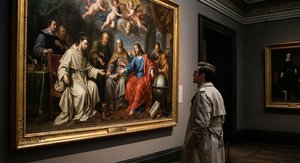
Unveiling Hidden Meanings: Allegory in Western Art History
Explore the rich history of allegory in Western art! Discover hidden meanings in masterpieces from Giotto to Bosch & beyond. Expert insights for collectors and enthusiasts at ArtsDot.
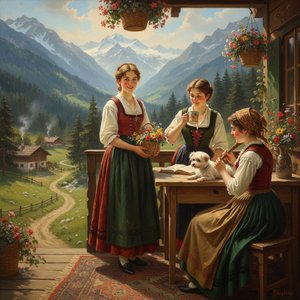
Eugen von Blaas: Capturing Alpine Life & Sentiment in 19th-Century Austrian Painting
Discover the captivating world of Eugen von Blaas! Explore his exquisite 19th-century paintings capturing Venetian life & Alpine beauty. Learn about his Academic Classicism style and find museum-quality reproductions at ArtsDot.
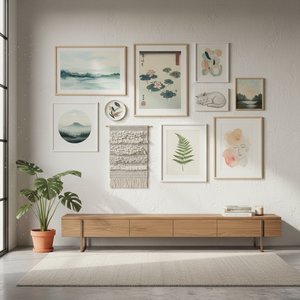
Serene Masterpieces: 10 Artworks for Peaceful Decor |
Find peace with 10 serene masterpieces! Explore calming landscapes by Monet & Van Gogh, tranquil Japanese art like Hokusai’s Great Wave, and more. Discover the stories behind these iconic paintings & bring museum-quality art to your home with . Explore the full collection online.