 Preview
 Send
Send Share
Share
 Details

 Download
 Similars
 X-Ray
X-Ray Diaporama
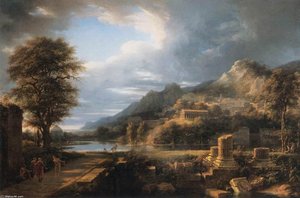
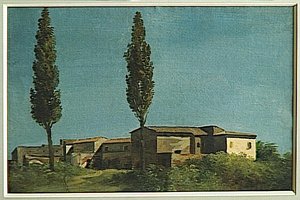
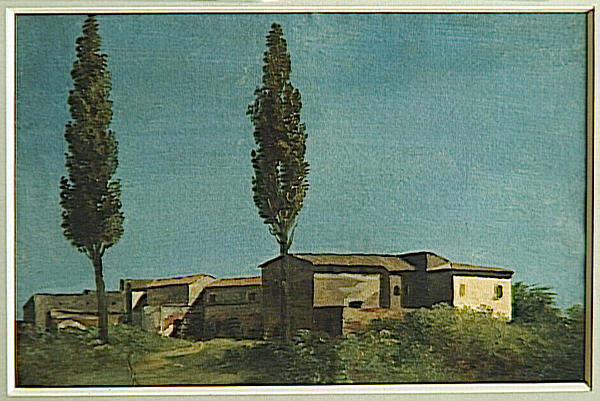
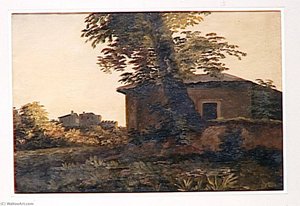
A LA VILLA FARNESE LES DEUX PEUPLIERS


 Read More
Giclée / Art Print
Museum-quality giclée or canvas print with fast production and flexible finish options. ( Buy Hand Made Painting Buy Image)




P118B $10

P118H $10

P118W $10

P438Z $10

P508JH $12

P508YH $12

P805H $10

P805Z $10

P919BZ $10

P919G $10

P919XJ $10

P959ZH $10

P968JZ $12

W106C $8

W218G $10

W218JH $8

W218Y $10

W307PJ $10

W316G $10

W316PJ $8

W316Y $10

W398PJ $8

W4111J $10

W500HY $15

W500JH $15

W692G $12

W849H $8

W940BG $15

W953PJ $8




Pick from our preset sizes that match the artwork's original proportions.

You may enter your own dimensions to fit a specific frame or space. If your selected size does not match the original image's proportions, we will either crop the artwork or extend the image with a mirrored or solid-fill edge. A digital mockup will be sent for your approval before production begins.
Please note that the on-screen preview does not reflect the actual cropping or extension. Only the mockup will accurately show the final composition.
While custom sizes are available, we recommend selecting a dimension from the predefined list to preserve the original proportions.
Worldwide Delivery () in 2 weeks instead of standard 4/5 weeks. (31 August)

Free Worldwide Express Shipping

High-Quality Linen Canvas

Full Shipping Insurance

Customs Tax Refund Guarantee

True Color Matching Guarantee

60-Day Return Policy (Defects Only)

100% Money-Back Guarantee

Bulk Discount Offer
 Glass option is only available in size under 110 CM

A LA VILLA FARNESE LES DEUX PEUPLIERS
Giclée / Art Print
Reproduction Size
-


Total Price
$ 63
A Window on Provence: Valenciennes’ “Fabriques à la Villa Farnèse”
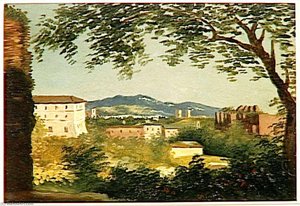
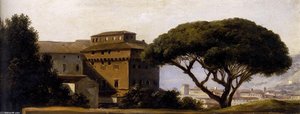
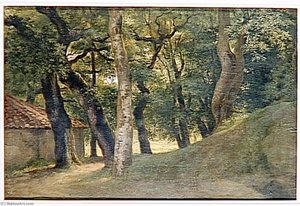
Pierre-Henri de Valenciennes' "Fabriques à la villa Farnèse: les deux peupliers" is more than just a landscape painting; it’s a carefully constructed tableau of light, space, and the quiet dignity of rural life in 18th-century France. Completed around 1800, this oil on canvas transports us to a sun-drenched corner of Provence, capturing not merely a scene but an atmosphere—a sense of timelessness and serene beauty that has captivated viewers for centuries. The painting’s enduring appeal lies in its masterful blend of classical composition, subtle color palettes, and a distinctly Impressionistic approach to light and texture.
The subject itself is deceptively simple: a cluster of buildings nestled amongst rolling hills, dominated by two imposing cypress trees that reach towards the azure sky. However, Valenciennes elevates this commonplace vista through his deliberate choices. The architecture—likely representing a small village or estate – isn’t rendered with sharp detail; instead, it's suggested through carefully placed rectangles and geometric forms, creating an illusion of depth without resorting to strict linear perspective. This technique, characteristic of Valenciennes’ style, prioritizes the overall impression over photographic accuracy, aligning with his influential theory of “landscape portraits.” He believed that capturing the *feeling* of a place was more important than a precise representation.
The Influence of "En Plein Air"
Valenciennes' work is inextricably linked to the burgeoning movement of “en plein air” painting – working outdoors directly from nature. This revolutionary approach, championed by artists like Jean-Baptiste-Camille Corot and later Claude Monet, sought to capture the fleeting effects of light and atmosphere with unprecedented immediacy. Valenciennes’ early studies in Rome laid the groundwork for this philosophy, as he meticulously observed and painted landscapes at different times of day, documenting the subtle shifts in color and shadow. “Fabriques à la villa Farnèse” exemplifies this dedication, showcasing how the artist skillfully rendered the dappled sunlight filtering through the trees and the hazy warmth of the afternoon light.
The painting’s composition is carefully balanced, drawing the eye towards the central group of buildings while simultaneously establishing a sense of vastness. The cypress trees, acting as vertical anchors, frame the scene and create a visual rhythm that guides the viewer's gaze. Notice how Valenciennes uses subtle variations in color—a touch more warmth here, a hint of cooler blue there—to suggest depth and distance. This masterful manipulation of light and shadow is what truly brings the landscape to life, imbuing it with an almost palpable sense of atmosphere.
A Portrait of a Place
Beyond its technical brilliance, “Fabriques à la villa Farnèse” offers a glimpse into the social and cultural context of 18th-century France. The scene evokes a sense of rural tranquility—a world removed from the bustle of Parisian life. The buildings themselves suggest a modest estate, hinting at a simpler way of life rooted in agriculture and tradition. Valenciennes wasn’t simply depicting a landscape; he was creating a portrait of a place, capturing its essence and conveying a feeling of quiet dignity.
Interestingly, the painting's title—"Fabriques à la villa Farnèse"—references a real estate development near Rome, suggesting that Valenciennes may have been inspired by this architectural style. The two prominent cypress trees are particularly significant; in Italian art and culture, they often symbolize mourning or remembrance, adding a layer of subtle symbolism to the composition. Despite this potential melancholy, the overall effect remains one of serene beauty and timelessness.
Recreating the Essence: Reproductions
Today, reproductions of “Fabriques à la villa Farnèse” are prized for their ability to capture the painting’s atmospheric quality and evocative power. ArtsDot offers meticulously crafted hand-painted reproductions that faithfully recreate Valenciennes' unique style and technique. These high-quality prints allow art lovers to bring this timeless masterpiece into their homes, experiencing its beauty and serenity firsthand. Whether you are a seasoned collector or simply seeking to add a touch of Provençal charm to your interior décor, a reproduction of “Fabriques à la villa Farnèse” is sure to be a treasured addition to any collection.
Related Artworks

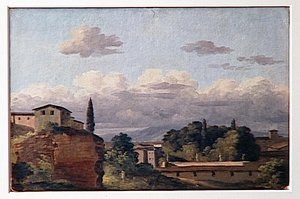
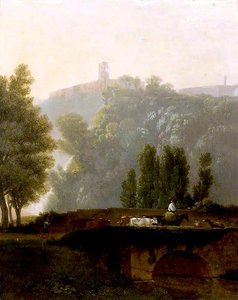
Artist Biography
early life and training
pierre-henri de valenciennes, a french painter, was born on december 6, 1750. his birthplace is not specified in available records, but his contributions to the art world are well-documented. de valenciennes' early training and education are not extensively recorded, but it is known that he worked in rome from 1778 to 1782, where he made a number of landscape studies directly from nature.contributions to en plein air painting
de valenciennes was influential in elevating the status of en plein air (open-air painting). his work in rome led to the development of his theory, which he outlined in his 1800 treatise reflections and advice to a student on painting, particularly on landscape. this concept introduced the idea of a 'landscape portrait,' where an artist paints a landscape directly while looking upon it, capturing its particular details. this approach allowed de valenciennes to capture the fleeting changes of a landscape due to light and weather.notable students and influence
among his notable students were jean-victor bertin, achille etna michallon, louis étienne watelet, louis-françois lejeune, and the first french panorama painter pierre prévost. de valenciennes' influence on these artists and his contributions to the development of en plein air painting have left a lasting impact on the art world.later life and death
de valenciennes passed away in paris on february 16, 1819. he is buried in the père lachaise cemetery, a famous cemetery in paris known for its notable residents.- view pierre-henri de valenciennes's artwork on ArtsDot.com
- explore the musée des beaux-arts valence, a museum featuring european paintings and sculptures, on ArtsDot.com
- discover more about french art and its history on wikipedia
legacy
pierre-henri de valenciennes's legacy in the art world is undeniable. his pioneering work in en plein air painting has inspired generations of artists, and his influence can still be seen today. through his treatise and his students, de valenciennes has left an indelible mark on the world of art.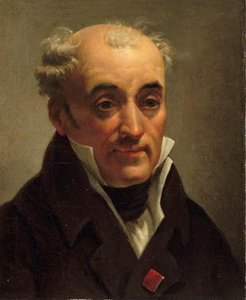
Pierre-Henri de Valenciennes
1750 - 1819 , France
Quick Facts
- Artistic Movement Or Style: En plein air painting
- Artists Or Movements Influenced By This Artist: ['Pierre Chauvin']
- Artists Who Influenced This Artist:
- Jean Victor Bertin
- Achille Etna Michallon
- Date Of Birth: December 6, 1750
- Date Of Death: February 16, 1819
- Full Name: Pierre Henri de Valenciennes
- Nationality: French
- Notable Artworks:
- Village de Nemi
- A LA Villa Borghese Chemin borde d'arbres
- Place Of Birth: Toulouse, France
Related Articles

John Constable's Masterpieces: Explore 25 Iconic Landscapes for Your Home
Journey through John Constable's 25 most celebrated landscapes. Explore Romanticism, Dedham Vale & his masterful use of light in iconic paintings like 'Hay Wain'. Find museum-quality art reproductions and elevate your home decor on ArtsDot.com.

Romantic Landscapes: 10 Masterpieces for Your Home | ArtsDot
Journey through 10 Romantic landscape masterpieces by Friedrich, Turner & Cole. Explore emotional art, sublime nature scenes & iconic 19th-century paintings. Find museum-quality reproductions for your home at ArtsDot.com – discover the full collection online!

Evocations of Place: A Historical Journey Through Landscape Art
Explore the rich history of landscape art with ArtsDot. Discover renowned artists, movements like Impressionism & Romanticism, and expert guidance for collecting timeless pieces. Find your perfect serene escape today!
Henri-Joseph Harpignies: Capturing the Poetic Essence of the French Landscape
Explore the serene landscapes of Henri-Joseph Harpignies, a master of the Barbizon School. Discover his atmospheric paintings, recurring themes & enduring legacy in 19th-century French art. Learn more at ArtsDot.

Evocations of Place: A Historical Journey Through Landscape Art
Explore the rich history of landscape art with ArtsDot. Discover renowned artists, movements like Impressionism & tonalism, and expert guidance for collecting timeless pieces. Find your perfect serene escape today!