 Preview
 Send
Send Share
Share
 Details

 Download
 Similars
 X-Ray
X-Ray Diaporama
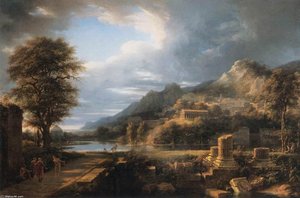
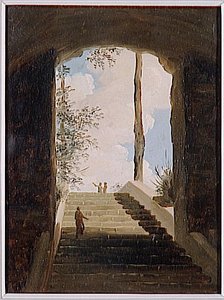
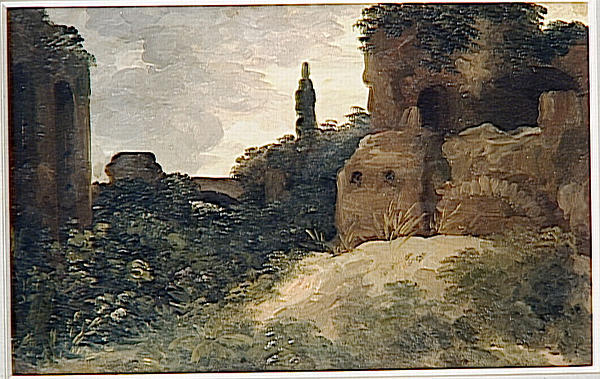
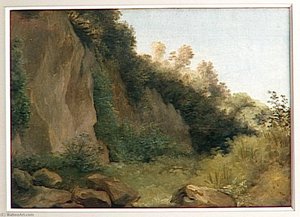
A LA VILLA FARNESE RUINES ROMAINES


 Read More
Hand Made Oil Reproduction
Hand-painted oil on canvas in your size and frame, made to order by our artists. ( Buy Print Buy Image)




P118B $10

P118H $10

P118W $10

P438Z $10

P508JH $12

P508YH $12

P805H $10

P805Z $10

P919BZ $10

P919G $10

P919XJ $10

P959ZH $10

P968JZ $12

W106C $8

W218G $10

W218JH $8

W218Y $10

W307PJ $10

W316G $10

W316PJ $8

W316Y $10

W398PJ $8

W4111J $10

W500HY $15

W500JH $15

W692G $12

W849H $8

W940BG $15

W953PJ $8




Pick from our preset sizes that match the artwork's original proportions.

You may enter your own dimensions to fit a specific frame or space. If your selected size does not match the original image's proportions, we will either crop the artwork or extend the painting with additional hand-painted elements. A digital mockup will be sent for your approval before production begins.
Please note that the on-screen preview does not reflect the actual cropping or extension. Only the mockup will accurately show the final composition.
While custom sizes are available, we recommend selecting a dimension from the predefined list to preserve the original proportions.
After order, ArtsDot.com team will email client for instructions and provide a mockup preview
Worldwide Delivery () in 3/4 weeks instead of standard 5 weeks. (1 September). No compromise on quality.

Free Worldwide Express Shipping

High-Quality Linen Canvas

Full Shipping Insurance

Customs Tax Refund Guarantee

True Color Matching Guarantee

60-Day Return Policy (Defects Only)

100% Money-Back Guarantee

Bulk Discount Offer
 Glass option is only available in size under 110 CM

A LA VILLA FARNESE RUINES ROMAINES
Reproduction Medium
Reproduction Size
-


Total Price
$ 263
The Echoes of Empire: A Roman Vista
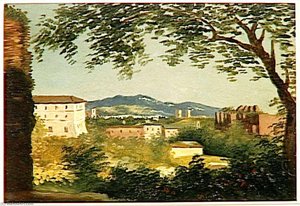
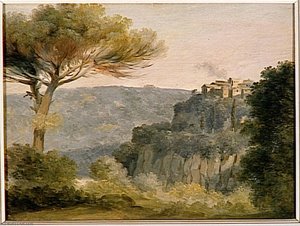
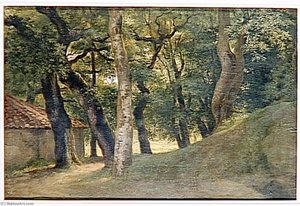
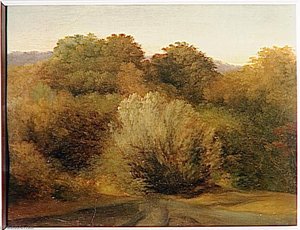
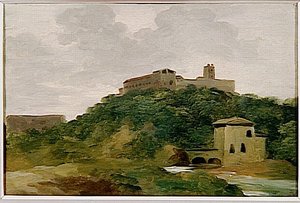
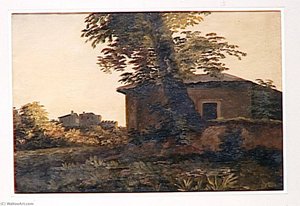
To gaze upon this depiction of ruins at La Villa Farnese is to step across the threshold of time itself. It is not merely a painting of stone and foliage; it is a meditation on endurance, a quiet dialogue between human ambition and nature's relentless embrace. The scene unfolds with an almost palpable stillness, drawing the viewer into a sun-dappled corner where the grandeur of Roman life has softened into picturesque decay. One can trace the ghost lines of forgotten colonnades and crumbling walls, structures that once spoke of imperial might, now yielding their narrative to the slow, persistent work of time.
Mastery in Atmosphere and Light
The technical brilliance evident here speaks to a profound understanding of atmospheric perspective. The artist has employed a palette dominated by earthy umbers, muted sage greens, and soft grays, creating an overall sense of aged patina. Notice how the light—soft, diffused, perhaps suggesting an overcast Italian afternoon—bathes the scene without casting any harsh shadows. This masterful handling of illumination allows depth to recede naturally; the foreground elements possess a rich, tangible texture, while the background dissolves into hazy, atmospheric washes. The technique suggests the delicate application of watercolor or diluted wash, allowing the underlying paper tone to contribute to the overall luminosity and dreamlike quality.
Symbolism of Decay and Renewal
Artistically, this piece resonates deeply with Romantic sensibilities. The ruins themselves are potent symbols—they speak eloquently of impermanence, reminding us that even the most monumental human achievements are subject to entropy. Yet, this melancholy is tempered by the vibrant life pushing through the cracks. The tenacious greenery clinging to the rocky outcrop and weaving around the fallen masonry represents nature’s ultimate victory, a cyclical promise of renewal over decay. It invites contemplation on our own fleeting moments against the backdrop of enduring natural cycles.
A Study in Compositional Balance
The composition guides the eye with practiced grace. The left side is anchored by the fragmented geometry of the architecture, providing structure and narrative weight. Counterbalancing this is the vertical assertion of the solitary tree in the middle ground, a vital linear counterpoint to the horizontal sprawl of the fallen walls. On the right, the rugged, vegetated outcrop adds an organic counterbalance. This careful arrangement—the interplay between rigid geometric remnants and fluid natural forms—creates a visual harmony that feels both grandly historical and intimately peaceful. It is a scene designed not just to be looked at, but to be felt.
Bringing Antiquity Home
For the collector or designer seeking an object of profound character, this reproduction offers more than mere decoration; it offers a window into a romanticized past. Its subdued yet rich tonality allows it to integrate seamlessly into interiors that favor classical elegance, scholarly pursuits, or natural textures. Owning this piece is acquiring a quiet moment of contemplation—a sophisticated echo of empire’s passing glory, beautifully preserved for the modern sanctuary.
Related Artworks
Artist Biography
early life and training
pierre-henri de valenciennes, a french painter, was born on december 6, 1750. his birthplace is not specified in available records, but his contributions to the art world are well-documented. de valenciennes' early training and education are not extensively recorded, but it is known that he worked in rome from 1778 to 1782, where he made a number of landscape studies directly from nature.contributions to en plein air painting
de valenciennes was influential in elevating the status of en plein air (open-air painting). his work in rome led to the development of his theory, which he outlined in his 1800 treatise reflections and advice to a student on painting, particularly on landscape. this concept introduced the idea of a 'landscape portrait,' where an artist paints a landscape directly while looking upon it, capturing its particular details. this approach allowed de valenciennes to capture the fleeting changes of a landscape due to light and weather.notable students and influence
among his notable students were jean-victor bertin, achille etna michallon, louis étienne watelet, louis-françois lejeune, and the first french panorama painter pierre prévost. de valenciennes' influence on these artists and his contributions to the development of en plein air painting have left a lasting impact on the art world.later life and death
de valenciennes passed away in paris on february 16, 1819. he is buried in the père lachaise cemetery, a famous cemetery in paris known for its notable residents.- view pierre-henri de valenciennes's artwork on ArtsDot.com
- explore the musée des beaux-arts valence, a museum featuring european paintings and sculptures, on ArtsDot.com
- discover more about french art and its history on wikipedia
legacy
pierre-henri de valenciennes's legacy in the art world is undeniable. his pioneering work in en plein air painting has inspired generations of artists, and his influence can still be seen today. through his treatise and his students, de valenciennes has left an indelible mark on the world of art.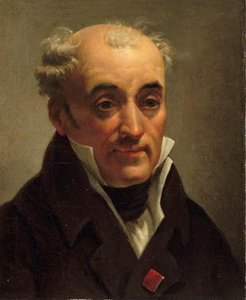
Pierre-Henri de Valenciennes
1750 - 1819 , France
Quick Facts
- Artistic Movement Or Style: En plein air painting
- Artists Or Movements Influenced By This Artist: ['Pierre Chauvin']
- Artists Who Influenced This Artist:
- Jean Victor Bertin
- Achille Etna Michallon
- Date Of Birth: December 6, 1750
- Date Of Death: February 16, 1819
- Full Name: Pierre Henri de Valenciennes
- Nationality: French
- Notable Artworks:
- Village de Nemi
- A LA Villa Borghese Chemin borde d'arbres
- Place Of Birth: Toulouse, France
Related Articles

Romantic Landscapes: 10 Masterpieces for Your Home | ArtsDot
Journey through 10 Romantic landscape masterpieces by Friedrich, Turner & Cole. Explore emotional art, sublime nature scenes & iconic 19th-century paintings. Find museum-quality reproductions for your home at ArtsDot.com – discover the full collection online!
Earthy Hues & Masterpieces: Top 10 Paintings with 'Mushroom' Tones |
Explore 10 iconic paintings with captivating 'mushroom' tones! Discover Van Gogh, Monet & Rembrandt’s masterpieces—earthy palettes, rich history & artistic techniques. Find museum-quality art reproductions and curated decor ideas at
The Sublime and the Picturesque: Exploring Emotion & Nature in Romantic Landscape Painting
Explore the emotional power of Romantic landscape painting! Discover the sublime & picturesque traditions, key artists like Friedrich & Cole, and find your perfect artwork at ArtsDot.
Hubert Robert: Picturing Ruins, Preserving Memory – A Study of Romantic Antiquarianism & Artistic Innovation
Explore the captivating world of Hubert Robert, master of Romantic landscape painting & 'capriccio' ruins. Discover his historical context, artistic innovations, and collecting insights with ArtsDot.

John Constable's Masterpieces: Explore 25 Iconic Landscapes for Your Home
Journey through John Constable's 25 most celebrated landscapes. Explore Romanticism, Dedham Vale & his masterful use of light in iconic paintings like 'Hay Wain'. Find museum-quality art reproductions and elevate your home decor on ArtsDot.com.