 Preview
 Send
Send Share
Share
 Details

 Download
 Similars
 X-Ray
X-Ray Diaporama
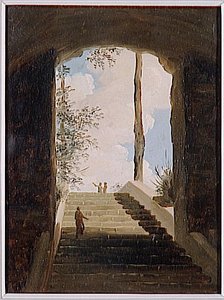
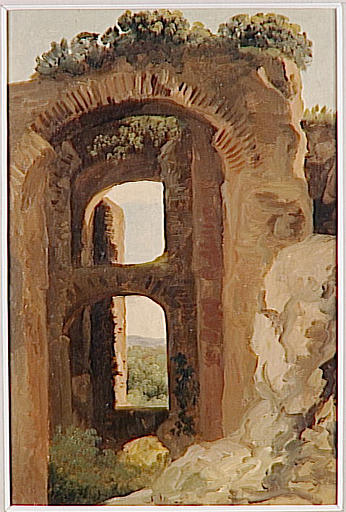
ARCADES EN RUINE


 Read More
Hand Made Oil Reproduction
Hand-painted oil on canvas in your size and frame, made to order by our artists. ( Buy Print Buy Image)




P118B $10

P118H $10

P118W $10

P438Z $10

P508JH $12

P508YH $12

P805H $10

P805Z $10

P919BZ $10

P919G $10

P919XJ $10

P959ZH $10

P968JZ $12

W106C $8

W218G $10

W218JH $8

W218Y $10

W307PJ $10

W316G $10

W316PJ $8

W316Y $10

W398PJ $8

W4111J $10

W500HY $15

W500JH $15

W692G $12

W849H $8

W940BG $15

W953PJ $8




Pick from our preset sizes that match the artwork's original proportions.

You may enter your own dimensions to fit a specific frame or space. If your selected size does not match the original image's proportions, we will either crop the artwork or extend the painting with additional hand-painted elements. A digital mockup will be sent for your approval before production begins.
Please note that the on-screen preview does not reflect the actual cropping or extension. Only the mockup will accurately show the final composition.
While custom sizes are available, we recommend selecting a dimension from the predefined list to preserve the original proportions.
After order, ArtsDot.com team will email client for instructions and provide a mockup preview
Worldwide Delivery () in 3/4 weeks instead of standard 5 weeks. (22 August). No compromise on quality.

Free Worldwide Express Shipping

High-Quality Linen Canvas

Full Shipping Insurance

Customs Tax Refund Guarantee

True Color Matching Guarantee

60-Day Return Policy (Defects Only)

100% Money-Back Guarantee

Bulk Discount Offer
 Glass option is only available in size under 110 CM

ARCADES EN RUINE
Reproduction Medium
Reproduction Size
-


Total Price
$ 263
Artwork Description
Echoes of Empire: The Allure of Ruined Arches
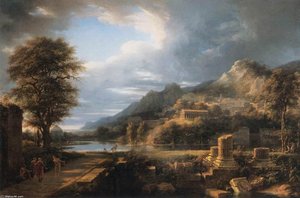
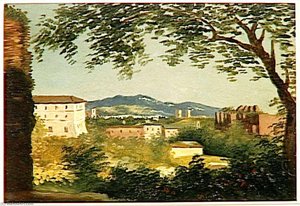
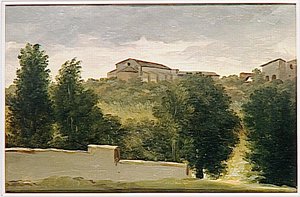
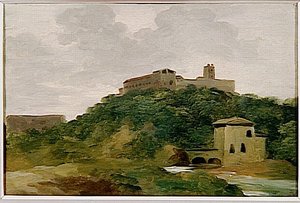
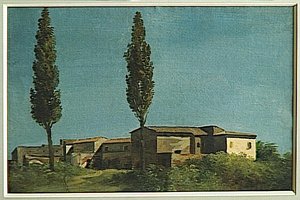
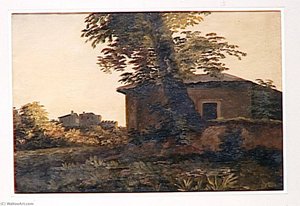
To gaze upon this depiction of an arcade in ruins is to step across the threshold of time itself. It is not merely a painting of stone and mortar; it is a meditation on endurance, a quiet dialogue between human ambition and nature's relentless embrace. The composition centers around magnificent, skeletal arches—the remnants of what was once a grand thoroughfare or monumental structure. These architectural bones, rendered with the characteristic loose touch of an academic study, invite the viewer to wander through imagined passages, hearing the echoes of footsteps long faded into history.
The artist, Pierre-Henri de Valenciennes, masterfully captures the essence of en plein air observation. His technique here suggests a preparatory sketch or a deeply felt study, allowing the visible brushstrokes and varied tones to become part of the narrative. The palette is wonderfully restrained—a symphony of ochres, dusty browns, and muted greens that speak of sun-baked earth and slow decay. This limited, earthy spectrum grounds the piece in a tangible sense of place, evoking the warm, diffused light of an ancient Mediterranean afternoon.
The Art of Atmosphere: Technique and Vision
What elevates this work beyond mere topographical record is its profound atmospheric quality. Valenciennes was instrumental in elevating landscape painting to an art form that prioritized feeling over flawless depiction. Here, the lines are gestural rather than rigid; they curve with the organic grace of overgrown ivy clinging to weathered travertine. The artist does not seek to reconstruct the perfect façade, but rather to capture the moment—the interplay between the solid geometry of the stone and the soft chaos of the encroaching foliage. This masterful handling of texture, suggested through layered color washes, gives the illusion that one could reach out and feel the rough grit of the rock under a fingertip.
The perspective, while somewhat flattened in the manner of an evocative study, nonetheless guides the eye deep into the composition. Through the successive openings of the arcade, glimpses of distant landscape peek through, creating layers of depth that pull the viewer inward, suggesting infinite possibility beyond the immediate ruin.
Symbolism: Nature Reclaiming Man's Glory
The symbolism inherent in these ruins is timeless and deeply resonant. The decaying architecture stands as a potent memento mori—a reminder that even the mightiest human constructs are subject to entropy. Yet, this decay is not presented as tragedy alone. Instead, it is imbued with a sublime beauty. Nature, represented by the vibrant, tenacious greenery spilling over the lintels and through the openings, acts as both destroyer and restorer. It suggests a cyclical pattern: that what falls apart eventually nourishes something new.
For the collector or designer, this piece offers more than decoration; it offers contemplation. It speaks to the passage of time with an elegant resignation, finding beauty in imperfection and patina.
Bringing Antiquity Home
Reproducing a work like Arcades en ruine allows one to curate an atmosphere of cultivated history within a modern space. Imagine this piece adorning a library, a sunlit atrium, or a room designed with classical undertones. The muted tones ensure it complements a wide array of interior palettes, lending an immediate sense of depth and storied elegance. It is the perfect focal point for those who appreciate the romanticism of antiquity—those who find inspiration not in pristine perfection, but in the beautiful poetry written by time upon enduring stone.
Related Artworks
Artist Biography
early life and training
pierre-henri de valenciennes, a french painter, was born on december 6, 1750. his birthplace is not specified in available records, but his contributions to the art world are well-documented. de valenciennes' early training and education are not extensively recorded, but it is known that he worked in rome from 1778 to 1782, where he made a number of landscape studies directly from nature.contributions to en plein air painting
de valenciennes was influential in elevating the status of en plein air (open-air painting). his work in rome led to the development of his theory, which he outlined in his 1800 treatise reflections and advice to a student on painting, particularly on landscape. this concept introduced the idea of a 'landscape portrait,' where an artist paints a landscape directly while looking upon it, capturing its particular details. this approach allowed de valenciennes to capture the fleeting changes of a landscape due to light and weather.notable students and influence
among his notable students were jean-victor bertin, achille etna michallon, louis étienne watelet, louis-françois lejeune, and the first french panorama painter pierre prévost. de valenciennes' influence on these artists and his contributions to the development of en plein air painting have left a lasting impact on the art world.later life and death
de valenciennes passed away in paris on february 16, 1819. he is buried in the père lachaise cemetery, a famous cemetery in paris known for its notable residents.- view pierre-henri de valenciennes's artwork on ArtsDot.com
- explore the musée des beaux-arts valence, a museum featuring european paintings and sculptures, on ArtsDot.com
- discover more about french art and its history on wikipedia
legacy
pierre-henri de valenciennes's legacy in the art world is undeniable. his pioneering work in en plein air painting has inspired generations of artists, and his influence can still be seen today. through his treatise and his students, de valenciennes has left an indelible mark on the world of art.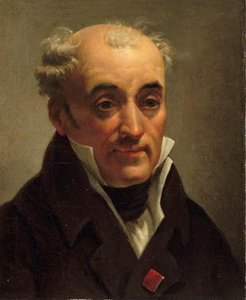
Pierre-Henri de Valenciennes
1750 - 1819 , France
Quick Facts
- Artistic Movement Or Style: En plein air painting
- Artists Or Movements Influenced By This Artist: ['Pierre Chauvin']
- Artists Who Influenced This Artist:
- Jean Victor Bertin
- Achille Etna Michallon
- Date Of Birth: December 6, 1750
- Date Of Death: February 16, 1819
- Full Name: Pierre Henri de Valenciennes
- Nationality: French
- Notable Artworks:
- Village de Nemi
- A LA Villa Borghese Chemin borde d'arbres
- Place Of Birth: Toulouse, France
Related Articles

Romantic Landscapes: 10 Masterpieces for Your Home | ArtsDot
Journey through 10 Romantic landscape masterpieces by Friedrich, Turner & Cole. Explore emotional art, sublime nature scenes & iconic 19th-century paintings. Find museum-quality reproductions for your home at ArtsDot.com – discover the full collection online!

Hokusai's Masterpieces: 25 Iconic Prints & Paintings for Art Lovers | ArtsDot
Journey through Katsushika Hokusai’s 25 most iconic artworks, including *The Great Wave*. Explore the ukiyo-e master's history, style & timeless Japanese woodblock prints. Find museum-quality reproductions for your home at ArtsDot.com.

John Constable's Masterpieces: Explore 25 Iconic Landscapes for Your Home
Journey through John Constable's 25 most celebrated landscapes. Explore Romanticism, Dedham Vale & his masterful use of light in iconic paintings like 'Hay Wain'. Find museum-quality art reproductions and elevate your home decor on ArtsDot.com.
The Sublime and the Picturesque: Exploring Emotion & Nature in Romantic Landscape Painting
Explore the emotional power of Romantic landscape painting! Discover the sublime & picturesque traditions, key artists like Friedrich & Cole, and find your perfect artwork at ArtsDot.
Hubert Robert: Picturing Ruins, Preserving Memory – A Study of Romantic Antiquarianism & Artistic Innovation
Explore the captivating world of Hubert Robert, master of Romantic landscape painting & 'capriccio' ruins. Discover his historical context, artistic innovations, and collecting insights with ArtsDot.