 Preview
 Send
Send Share
Share
 Details

 Download
 Similars
 X-Ray
X-Ray Diaporama
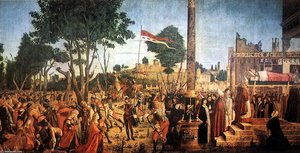
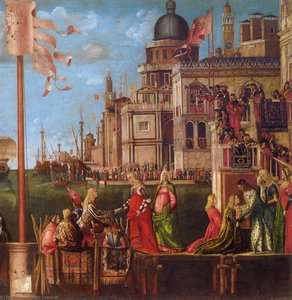
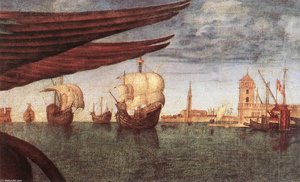
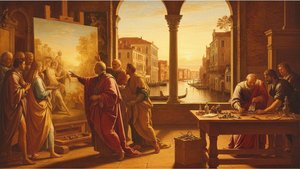
The Ambassadors Depart (detail)


 Read More
Hand Made Oil Reproduction
Hand-painted oil on canvas in your size and frame, made to order by our artists. ( Buy Print Buy Image)




P118B $10

P118H $10

P118W $10

P438Z $10

P508JH $12

P508YH $12

P805H $10

P805Z $10

P919BZ $10

P919G $10

P919XJ $10

P959ZH $10

P968JZ $12

W106C $8

W218G $10

W218JH $8

W218Y $10

W307PJ $10

W316G $10

W316PJ $8

W316Y $10

W398PJ $8

W4111J $10

W500HY $15

W500JH $15

W692G $12

W849H $8

W940BG $15

W953PJ $8




Pick from our preset sizes that match the artwork's original proportions.

You may enter your own dimensions to fit a specific frame or space. If your selected size does not match the original image's proportions, we will either crop the artwork or extend the painting with additional hand-painted elements. A digital mockup will be sent for your approval before production begins.
Please note that the on-screen preview does not reflect the actual cropping or extension. Only the mockup will accurately show the final composition.
While custom sizes are available, we recommend selecting a dimension from the predefined list to preserve the original proportions.
After order, ArtsDot.com team will email client for instructions and provide a mockup preview
Worldwide Delivery () in 3/4 weeks instead of standard 5 weeks. (17 August). No compromise on quality.

Free Worldwide Express Shipping

High-Quality Linen Canvas

Full Shipping Insurance

Customs Tax Refund Guarantee

True Color Matching Guarantee

60-Day Return Policy (Defects Only)

100% Money-Back Guarantee

Bulk Discount Offer
 Glass option is only available in size under 110 CM

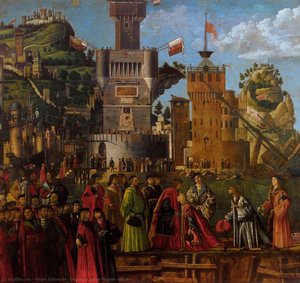
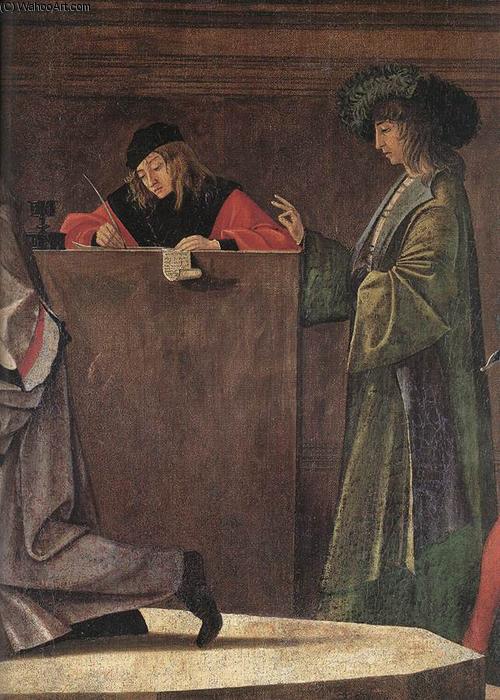
The Ambassadors Depart (detail)
Reproduction Medium
Reproduction Size
-


Total Price
$ 263
Artwork Description
A Moment of Contemplation: Vittore Carpaccio’s “The Ambassadors Depart”
Vittore Carpaccio's "The Ambassadors Depart," a meticulously rendered detail from the larger 1495 painting housed in Venice’s Gallerie dell’Accademia, offers a captivating glimpse into the heart of Renaissance courtly life. More than just a depiction of two figures engaged in conversation, this section captures an exquisite interplay of gesture, expression, and subtle symbolism—a testament to Carpaccio's mastery of narrative painting and his unique approach to Venetian art. The scene unfolds within a richly textured interior, dominated by the dark, almost brooding presence of a wooden panel that anchors the composition and provides a dramatic contrast to the vibrant colors of the figures themselves. Carpaccio’s signature style—characterized by a deliberate restraint and an avoidance of the flamboyant trends sweeping through Italy at the time—is immediately apparent; he eschews the overt humanism of his contemporaries, instead focusing on capturing a quiet, contemplative moment of interaction.
- The Figures: The central focus is undeniably the woman in the crimson robe. Her posture, slightly turned towards the viewer, suggests both engagement and a degree of reserve. Her hand, poised as if about to write or read from a book, speaks volumes about her intellectual pursuits and perhaps even a certain social standing. Opposite her stands the man in green, his gesture—a deliberate pointing—is loaded with meaning. Is he offering guidance, expressing an opinion, or simply drawing attention to something within the text she holds? The ambiguity is precisely what makes this detail so compelling.
- Color and Texture: Carpaccio’s palette is remarkably restrained yet deeply evocative. The deep reds and golds of the woman's robe are offset by the muted greens and browns of the man’s attire, creating a harmonious balance. The texture of the fabrics—the sheen of the silk, the roughness of the fur-lined hood—is rendered with painstaking detail, inviting the viewer to almost reach out and touch them.
- Compositional Balance: The arrangement of figures within the panel is carefully considered. The diagonal line created by their positions draws the eye across the surface, while the dark background serves to isolate and emphasize the central interaction.
Renaissance Courtly Life and Symbolic Resonance
“The Ambassadors Depart” isn’t merely a portrait; it's a window into the complex social dynamics of Renaissance Italy. The painting reflects the importance of diplomacy, scholarship, and refined manners within aristocratic circles. Carpaccio was deeply influenced by the Early Netherlandish masters, particularly their skill in depicting realistic textures and their penchant for capturing fleeting moments of human interaction. This influence is evident in his meticulous attention to detail—the folds of the clothing, the expressions on the faces—and his ability to create a sense of immediacy and intimacy within the scene. The painting’s setting itself – an interior space – suggests a private conversation, hinting at the importance of discretion and carefully considered words within the courtly world.
Historical Context:Created in 1495 during a period of intense political maneuvering and artistic experimentation, “The Ambassadors Depart” reflects the anxieties and aspirations of the Venetian elite. Venice was a major center of trade and diplomacy, and its rulers were constantly seeking to maintain their influence on the European stage. Carpaccio’s painting captures this atmosphere of intrigue and sophistication, offering a glimpse into the lives of those who shaped the destiny of the city.
Carpaccio's Unique Vision: A Master of Narrative Detail
What distinguishes Carpaccio from his contemporaries is his unwavering commitment to narrative detail. He eschews the idealized beauty favored by many Renaissance painters, instead focusing on capturing the complexities and nuances of human behavior. His works are often described as “storytelling paintings,” and "The Ambassadors Depart" exemplifies this approach perfectly. The painting invites viewers to engage in a dialogue with the figures—to speculate about their motivations, their relationships, and the secrets they hold. Carpaccio’s style is characterized by a deliberate restraint and an avoidance of the flamboyant trends that transformed Italian Renaissance painting during his lifetime. His work was influenced by Antonello da Messina's style and early Netherlandish art. This unique blend of styles resulted in a distinctive approach to Venetian painting.
The Emotional Impact: A Quiet Intensity
Despite its relatively small scale, “The Ambassadors Depart” possesses a remarkable emotional intensity. The subtle expressions on the faces of the figures—a hint of curiosity, a flicker of contemplation—suggest a deeper story beneath the surface. The painting’s muted colors and carefully constructed composition create a sense of quiet intimacy, drawing the viewer into the scene and inviting them to share in the moment of shared understanding between the two individuals. It's not a grand, dramatic tableau; rather, it is a small, intimate portrait of human connection—a testament to Carpaccio’s ability to capture the essence of life in all its complexity.
Related Artworks
Artist Biography
early life and training
vittore carpaccio, a prominent italian painter, was born in venice around 1465. he studied under the tutelage of gentile bellini, a renowned artist of the venetian school. this apprenticeship laid the foundation for carpaccio's future success.artistic style and influences
carpaccio's style was characterized by its conservative nature, showing minimal influence from the humanist trends that transformed italian renaissance painting during his lifetime. his work was influenced by antonello da messina's style and early netherlandish art. this unique blend of styles resulted in a distinctive approach to venetian painting.notable works
- the legend of saint ursula, a cycle of nine paintings, is carpaccio's most famous work. this series, now housed in the gallerie dell'accademia, showcases his mastery of narrative painting.
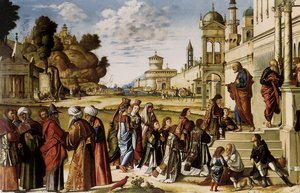
- glory of st. ursula altarpiece (1491) demonstrates carpaccio's skill in capturing light and color, reminiscent of giovanni bellini's style.
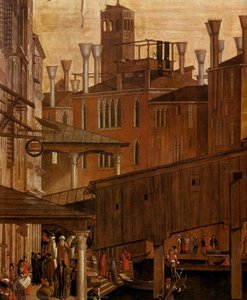
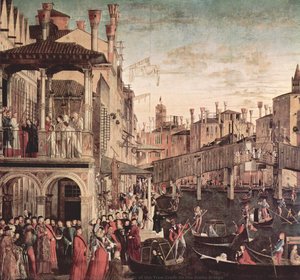
- miracle of the relic of the cross at the ponte di rialto (1494) highlights carpaccio's ability to balance composition and narrative.
career highlights and legacy
- carpaccio's principal works were executed between 1490 and 1519, ranking him among the early masters of the venetian renaissance.
- his orientalist style, as seen in st. george baptizing the selenites, reflects a new fascination with the levant.
- carpaccio's work has been somewhat overlooked in comparison to his contemporaries, such as giovanni bellini or giorgione.
references and further reading
discover more about vittore carpaccio and the venetian school on ArtsDot.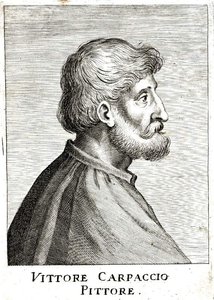
Vittore Carpaccio
1465 - 1526 , Italy
Quick Facts
- Artistic Movement Or Style: Early Venetian Renaissance
- Artists Or Movements Influenced By This Artist: ['Early Netherlandish Painting']
- Artists Who Influenced This Artist:
- Antonello da Messina
- Gentile Bellini
- Date Of Birth: Venice, Italy (c. 1465)
- Date Of Death: 1526
- Full Name: Vittore Carpaccio
- Nationality: Italian
- Notable Artworks:
- The Legend of Saint Ursula
- Glory of St. Ursula Altarpiece
- Miracle of the Relic of the Cross at the Ponte di Rialto
- Place Of Birth: Venice
Related Articles
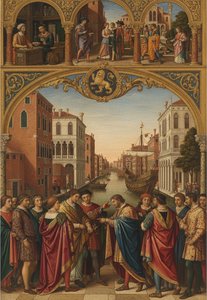
Vittore Carpaccio: Venetian Renaissance Narrative & the Poetics of Detail
Explore the captivating world of Vittore Carpaccio, a master storyteller of the Venetian Renaissance. Discover his intricate details, narrative cycles like 'The Legend of St. Ursula,' and unique artistic style.

The Enduring Legacy of Oil on Canvas: Technique, History & Aesthetic Impact
Explore the rich history & techniques of oil painting – from Renaissance masters to Impressionism. Discover pigments, layering methods, and why this timeless medium endures. Expert insights for artists & art enthusiasts.
The Golden Light of Innovation: Exploring the Venetian Renaissance Art Movement (1430–1580)
Explore the Golden Age of Venetian art (1430–1580). Discover Giorgione, Titian & Tintoretto's techniques, the 'colorito' revolution, and lasting influence. Expert insights for collectors & enthusiasts.

Jacopo Tintoretto's Masterpieces: 25 Paintings That Define Venetian Drama | ArtsDot
Explore 25 breathtaking masterpieces by Jacopo Tintoretto, the Venetian master of drama and light. Discover the stories behind iconic Renaissance paintings & find museum-quality art reproductions to elevate your home decor on ArtsDot.com.

Oil on Canvas: A Historical & Technical Exploration of a Timeless Artistic Medium
Explore the rich history & enduring techniques of oil painting on canvas. Discover the science behind its longevity, conservation practices, and contemporary relevance. Expert insights for art enthusiasts.