 Preview
 Send
Send Share
Share
 Details

 Download
 Similars
 X-Ray
X-Ray Diaporama
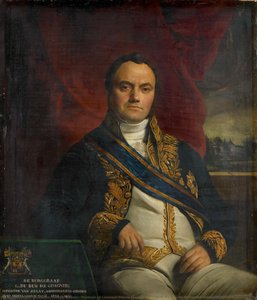
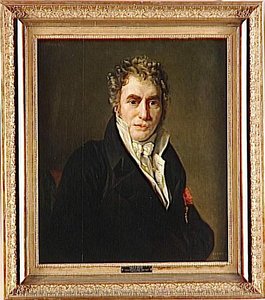
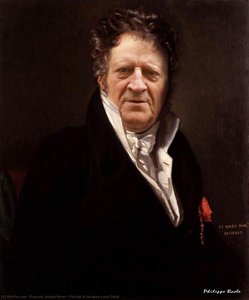
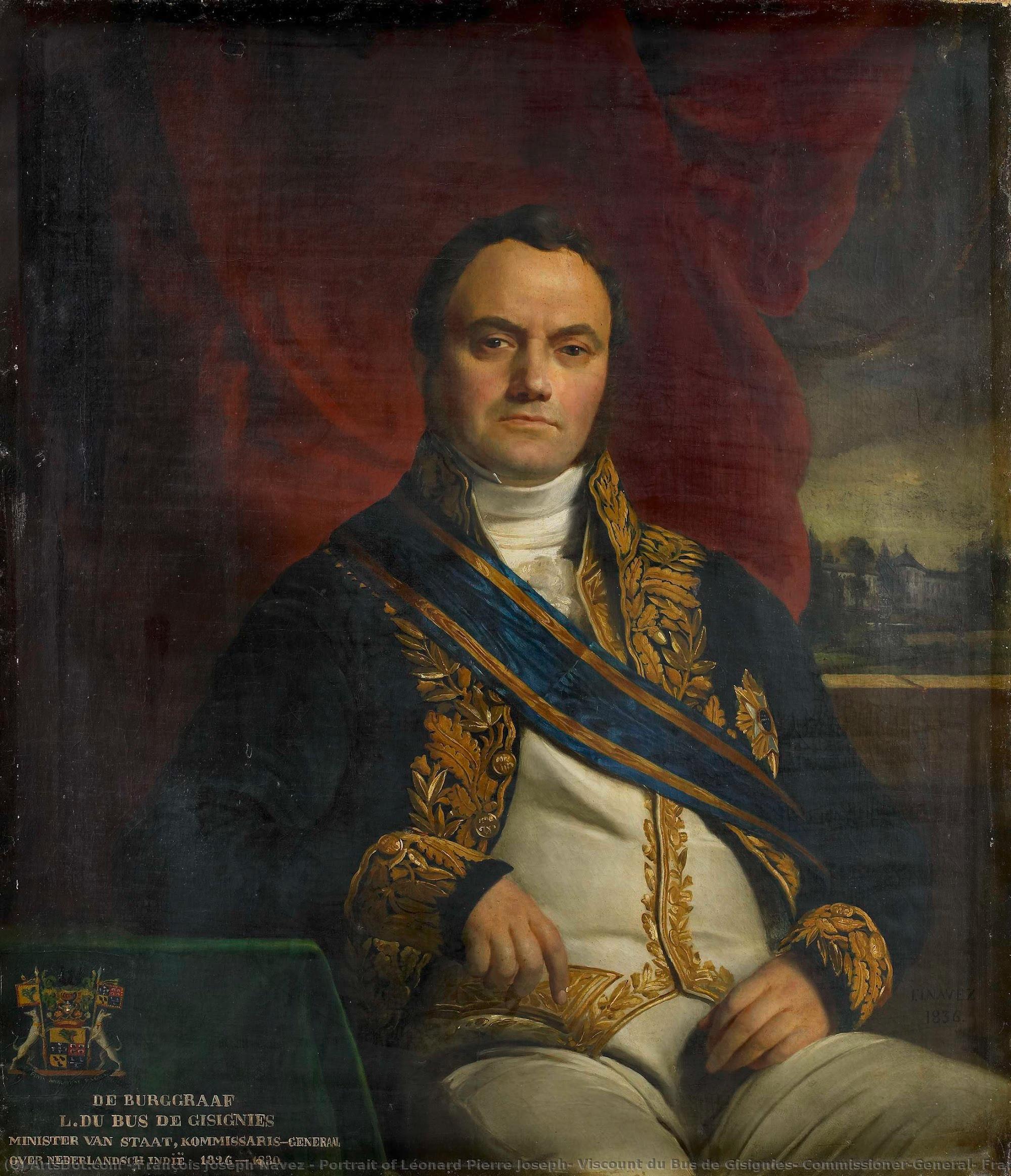
Portrait of Léonard Pierre Joseph, Viscount du Bus de Gisignies, Commissioner-General, François Joseph Navez, 1836
 Acrylic On Canvas
- WallArt
- Neoclassical Art
 1836
1836 114.0 x 98.0 cm
 Read More
Hand Made Oil Reproduction
Hand-painted oil on canvas in your size and frame, made to order by our artists. ( Buy Print Buy Image)




P118B $10

P118H $10

P118W $10

P438Z $10

P508JH $12

P508YH $12

P805H $10

P805Z $10

P919BZ $10

P919G $10

P919XJ $10

P959ZH $10

P968JZ $12

W106C $8

W218G $10

W218JH $8

W218Y $10

W307PJ $10

W316G $10

W316PJ $8

W316Y $10

W398PJ $8

W4111J $10

W500HY $15

W500JH $15

W692G $12

W849H $8

W940BG $15

W953PJ $8




Pick from our preset sizes that match the artwork's original proportions.

You may enter your own dimensions to fit a specific frame or space. If your selected size does not match the original image's proportions, we will either crop the artwork or extend the painting with additional hand-painted elements. A digital mockup will be sent for your approval before production begins.
Please note that the on-screen preview does not reflect the actual cropping or extension. Only the mockup will accurately show the final composition.
While custom sizes are available, we recommend selecting a dimension from the predefined list to preserve the original proportions.
After order, ArtsDot.com team will email client for instructions and provide a mockup preview
Worldwide Delivery () in 3/4 weeks instead of standard 5 weeks. (31 August). No compromise on quality.

Free Worldwide Express Shipping

High-Quality Linen Canvas

Full Shipping Insurance

Customs Tax Refund Guarantee

True Color Matching Guarantee

60-Day Return Policy (Defects Only)

100% Money-Back Guarantee

Bulk Discount Offer
 Glass option is only available in size under 110 CM

Portrait of Léonard Pierre Joseph, Viscount du Bus de Gisignies, Commissioner-General, François Joseph Navez, 1836
Reproduction Medium
Reproduction Size
-


Total Price
$ 263
A Portrait of Governance: Léonard Pierre Burgrave du Bus de Gisignies
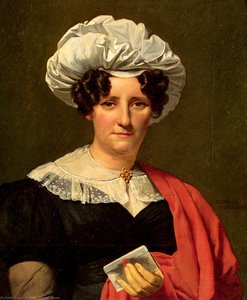
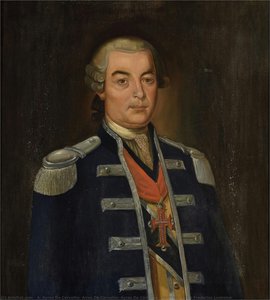
The portrait depicts Léonard Pierre Burgrave du Bus de Gisignies (1780-1849), a prominent figure in Dutch colonial administration during the reign of Willem I. Commissioned by Willem I himself, this artwork transcends mere representation; it embodies the ideals of Enlightenment governance and reflects the grandeur of the Dutch East Indies empire at its zenith. Painted in 1836 by François Joseph Navez, it stands as a testament to both artistic skill and political ambition.Neoclassical Style and Composition
Navez adhered rigorously to Neoclassical principles—a stylistic movement championed by Jacques-Louis David—characterized by idealized forms, balanced compositions, and subdued color palettes. The portrait’s pyramidal structure lends stability and formality, mirroring the hierarchical order of colonial society. Gisignies is seated in a chair draped with crimson velvet, symbolizing royal authority and prestige. His gaze directs towards the viewer with unwavering confidence, conveying an impression of dignity and intellectual prowess.Technique: Oil on Canvas – Precision and Detail
Navez employed oil paint on canvas—a technique favored by artists of his era—to achieve remarkable levels of detail and tonal nuance. Careful layering of glazes creates a luminous surface that captures the subtle textures of Gisignies’s clothing and facial features. The artist meticulously rendered the folds of his waistcoat, the sheen of his hair, and the delicate contours of his face, demonstrating mastery over chiaroscuro—the interplay between light and shadow—a cornerstone of Neoclassical painting.Historical Context: Willem I and Colonial Expansion
The portrait emerged during a period of intense colonial expansion for the Netherlands. Willem I sought to consolidate Dutch dominion over Southeast Asia, establishing Batavia (Jakarta) as the capital of the VOC’s territories. Gisignies served as Governor-General from 1826 to 1830, overseeing crucial administrative reforms aimed at strengthening the empire's economic and political clout. The inclusion of a landscape backdrop—a stylized depiction of the Dutch countryside—underscores the importance of domestic stability in supporting colonial endeavors.Symbolism: Velvet, Crimson, and Direct Gaze
The crimson velvet upholstery symbolizes royal power and wealth, reinforcing Gisignies’s position as a representative of the monarchy. The artist's deliberate placement of Gisignies’s gaze directly towards the viewer is laden with symbolic significance—representing authority, self-assurance, and engagement with the audience. This technique aligns perfectly with Neoclassical ideals of clarity and intellectual honesty, reflecting the Enlightenment’s emphasis on reason and virtue.Emotional Impact: Dignity and Confidence
Despite its formal aesthetic, the portrait possesses a palpable emotional resonance. Gisignies exudes an aura of dignity and confidence—qualities deemed essential for leadership during his time. The artist skillfully captures the statesman's inner composure, conveying an impression of unwavering resolve and intellectual conviction. Viewing this artwork evokes admiration for artistic excellence and appreciation for the historical legacy of Dutch colonialism—a complex narrative marked by both progress and exploitation.Related Artworks

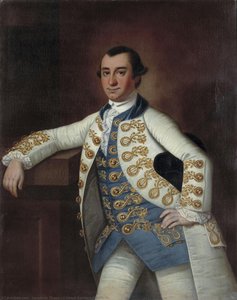
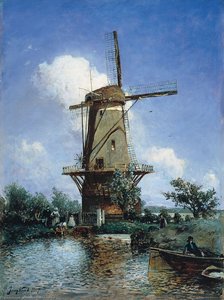
Artist Biography
François-Joseph Navez: A Life in Neoclassical Art
Early Life and Education
- Born: Charleroi, Belgium, November 16, 1787.
- Navez came from a privileged background, allowing him to dedicate himself fully to artistic pursuits from a young age.
- He began his formal training at the Royal Academy of Fine Arts in Brussels from 1803 to 1808, studying under Pierre Joseph Célestin François.
- In 1810, he co-founded the “Société des amateurs d'arts,” demonstrating an early commitment to fostering artistic community.
Paris and Rome: Influences and Development
- Navez received first prize for history painting in 1812, which enabled him to travel to Paris.
- Key Influence: From 1813 to 1816, he studied with Jacques-Louis David, a pivotal figure in Neoclassical art. This mentorship profoundly shaped his style and approach.
- He continued his artistic journey in Rome from 1817 to 1822, where he encountered Jean-Auguste-Dominique Ingres and further refined his skills within the classical tradition.
- His time in Italy instilled a deep appreciation for classical forms and themes, which would become hallmarks of his work.
Career and Artistic Style
- Upon returning to Belgium, Navez established a successful studio and quickly gained recognition as a talented portraitist.
- Artistic Focus: He excelled in portraits, historical scenes, and mythological subjects, all executed with meticulous detail and elegant composition.
- His style is characterized by its clarity of form, balanced compositions, and restrained emotional expression – hallmarks of Neoclassicism.
- He was a master of capturing the likeness and character of his sitters in portraiture.
Leadership at the Royal Academy
- Navez’s influence extended beyond his own artistic practice. He became Director of the Académie Royale des Beaux-Arts in Brussels between 1835 and 1862.
- Educational Impact: In this role, he played a crucial part in shaping the next generation of Belgian artists.
- Among his notable pupils were Jean-François Portaels (who also became his son-in-law) and Jean Carolus.
Major Works and Legacy
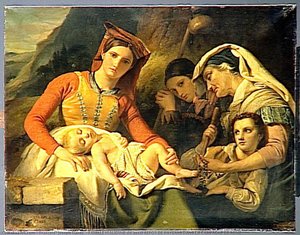
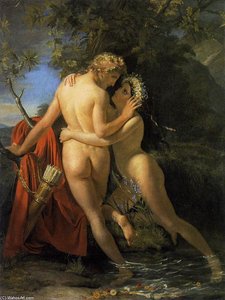
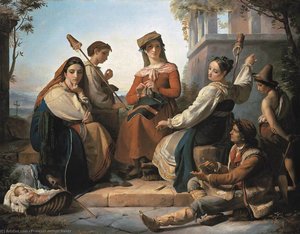
- Notable Paintings: Some of his most celebrated works include “Massacre of the Innocents,” “The Nymph Salmacis and Hermaphroditus”, “Women Spinning in Fondi” and his portrait of Jacques-Louis David.
- His paintings are held in prominent museum collections, showcasing their enduring artistic value.
- Historical Significance: Navez stands as a leading figure in Belgian Neoclassical painting. He bridged the gap between the classical tradition and emerging Romantic tendencies of the 19th century.
- He died in Brussels on October 12, 1869, leaving behind a rich artistic legacy that continues to inspire and captivate audiences today.
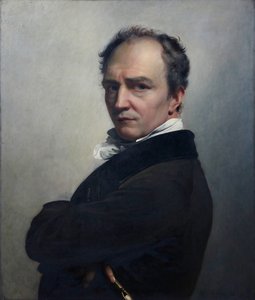
françois joseph navez
1787 - 1869 , Belgium
Quick Facts
- Birth Date: 1787
- Birth Place: Charleroi, Belgium
- Death Date: 1869
- Influenced:
- Jean-François Portaels
- Jean Carolus
- Influenced By: Jacques-Louis David
- Movement: Neoclassicism
- Name: François-Joseph Navez
- Nationality: Belgian
- Notable Works:
- Massacre of the Innocents
- The Nymph Salmacis and Hermaphroditus
- Portrait of Jacques-Louis David
Related Articles

Golden Age Reflections: Dutch Baroque Painting & Cultural Innovation
Explore the Dutch Golden Age of painting! Discover key artists like Vermeer & ter Borch, their innovative techniques, and the rich cultural context behind these Baroque masterpieces. Learn about collecting & appreciating this iconic art period.

Dutch Baroque Masters: 10 Paintings That Shaped an Era | ArtsDot
Journey through the Golden Age with our guide to the Top 10 Dutch Baroque masterpieces! Explore iconic paintings by Rembrandt, Vermeer & Frans Hals. Find museum-quality art reproductions and elevate your home decor at ArtsDot.com.

Illuminating Innovation: Exploring the Dutch Golden Age of Painting
Explore the Dutch Golden Age of painting with ArtsDot. Discover Rembrandt, Vermeer & other Masters. Learn about key characteristics, iconic artworks, and lasting influence. Expert insights for collectors & enthusiasts.

Illuminating Realism: Exploring the Dutch Golden Age of Painting (1600-1700)
Explore the Dutch Golden Age of painting (1600-1700) with ArtsDot. Discover Rembrandt, Vermeer & other masters. Learn about techniques, history & find museum-quality reproductions.
Charles Leickert: Capturing the Dutch Golden Age Light – A Comprehensive Study of Technique, Context, and Legacy
Explore the captivating winter landscapes of Charles Leickert, a master of Dutch Golden Age light & atmosphere. Discover his techniques, symbolism, and lasting legacy – a comprehensive study for art enthusiasts and collectors.