 Preview
 Send
Send Share
Share
 Details

 Download
 Similars
 X-Ray
X-Ray Diaporama
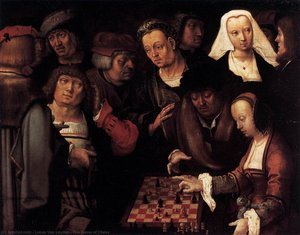
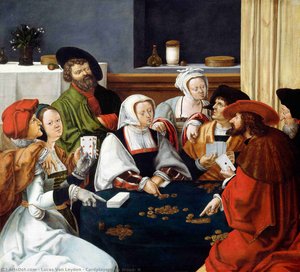
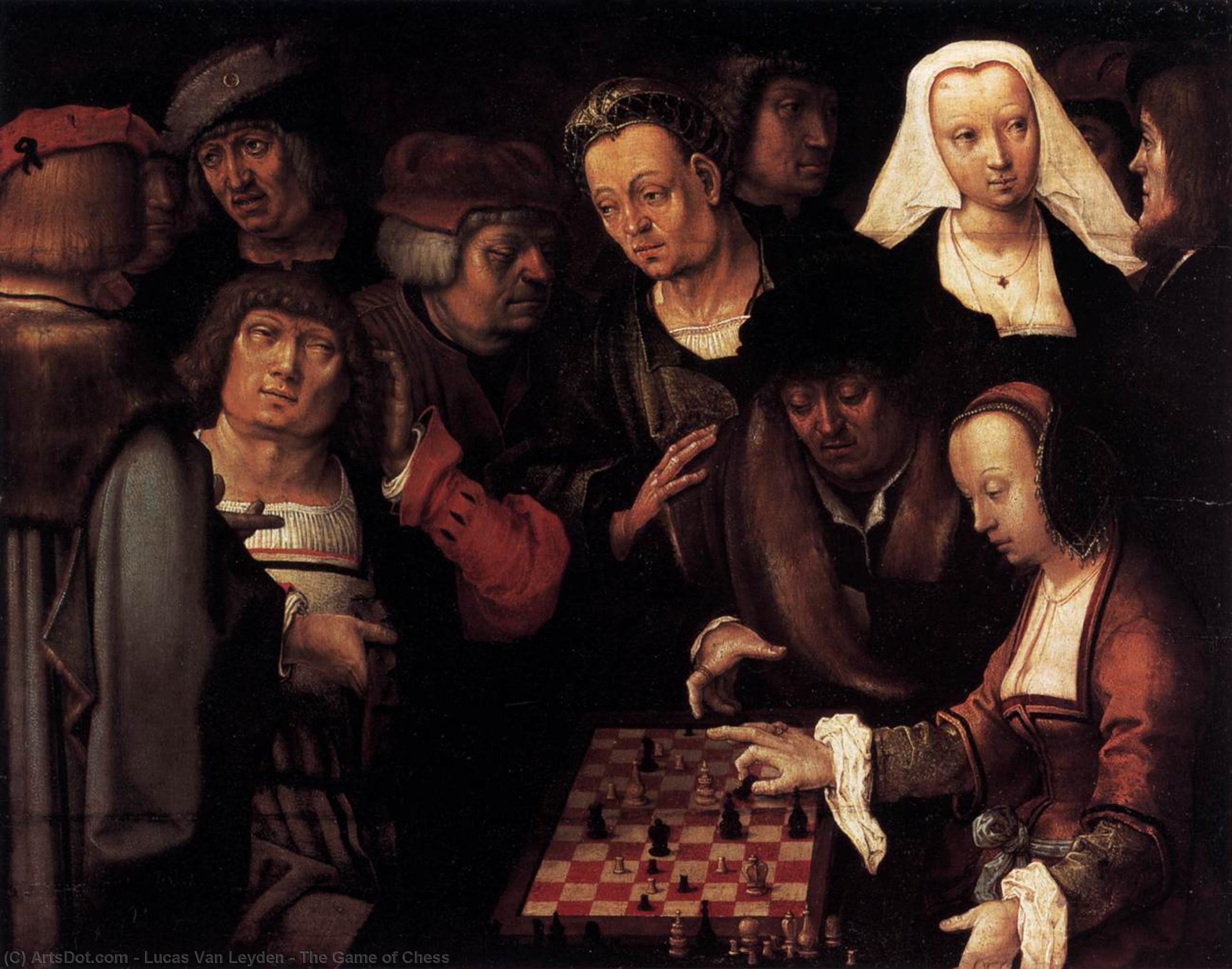
The Game of Chess
 Oil On Panel
- WallArt
- Impressionism
 1508
1508- Renaissance
 27.0 x 35.0 cm
 Staatliche Museen
 Read More
Hand Made Oil Reproduction
Hand-painted oil on canvas in your size and frame, made to order by our artists. ( Buy Print Buy Image)




P118B $10

P118H $10

P118W $10

P438Z $10

P508JH $12

P508YH $12

P805H $10

P805Z $10

P919BZ $10

P919G $10

P919XJ $10

P959ZH $10

P968JZ $12

W106C $8

W218G $10

W218JH $8

W218Y $10

W307PJ $10

W316G $10

W316PJ $8

W316Y $10

W398PJ $8

W4111J $10

W500HY $15

W500JH $15

W692G $12

W849H $8

W940BG $15

W953PJ $8




Pick from our preset sizes that match the artwork's original proportions.

You may enter your own dimensions to fit a specific frame or space. If your selected size does not match the original image's proportions, we will either crop the artwork or extend the painting with additional hand-painted elements. A digital mockup will be sent for your approval before production begins.
Please note that the on-screen preview does not reflect the actual cropping or extension. Only the mockup will accurately show the final composition.
While custom sizes are available, we recommend selecting a dimension from the predefined list to preserve the original proportions.
After order, ArtsDot.com team will email client for instructions and provide a mockup preview
Worldwide Delivery () in 3/4 weeks instead of standard 5 weeks. (21 August). No compromise on quality.

Free Worldwide Express Shipping

High-Quality Linen Canvas

Full Shipping Insurance

Customs Tax Refund Guarantee

True Color Matching Guarantee

60-Day Return Policy (Defects Only)

100% Money-Back Guarantee

Bulk Discount Offer
 Glass option is only available in size under 110 CM

The Game of Chess
Reproduction Medium
Reproduction Size
-


Total Price
$ 263
Artwork Description
A Renaissance Encounter: The Intellectual Pulse of The Game of Chess
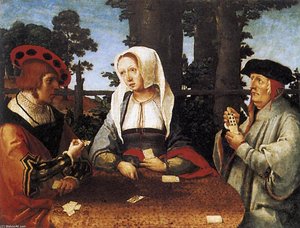
In the quiet, focused atmosphere of a sixteenth-century gathering, Lucas van Leyden captures a moment that transcends mere leisure. The Game of Chess, painted around 1508, is far more than a simple depiction of a pastime; it is a profound window into the High Renaissance soul. As we gaze upon this masterful composition, we are drawn into an intimate circle of gentlemen and a singular, dignified woman, all gathered around a dining table where the clatter of porcelain and the soft rustle of fine fabrics seem almost audible. The scene vibrates with a quiet tension, a cerebral energy that suggests every move on the board is mirrored by a subtle shift in social or political maneuvering. For the discerning collector, this work offers an invitation to contemplate the timeless dance of strategy and human connection.
Van Leyden’s technical prowess is nothing short of breathtaking, showcasing the very pinnacle of early Netherlandish genre painting. Utilizing oil on oak panel, the artist employs sfumato—the delicate, smoky blurring of edges—to breathe life into the atmosphere, creating a sense of depth that pulls the viewer directly into the room. Every texture is rendered with an almost obsessive devotion to realism: the heavy weight of velvet sleeves, the polished sheen of a wine glass, and the intricate carvings of the furniture are all captured with luminous clarity. This meticulous attention to detail does not merely serve as a display of skill; it anchors the viewer in a tangible, historical reality, making the scene feel less like a distant memory and more like a living, breathing moment frozen in time.
Symbolism and the Human Spirit
Beyond its surface beauty, the painting is a rich tapestry of humanist ideals and complex allegories. During this era, chess was widely recognized as an emblem of wisdom, foresight, and the strategic complexities of life itself. The pieces on the board—representing strength, cunning, and intellect—act as metaphors for the characters of the players. Perhaps most striking is the inclusion of the woman seated amongst the men. In a period where gender roles were often rigidly defined, Van Leyden presents her with an unmistakable sense of agency and intelligence. Her presence challenges the viewer to reconsider the social dynamics of the age, suggesting that the intellectual arena of the chessboard was a space where merit and wit could bridge the divide between the sexes.
For those looking to bring a piece of this historical grandeur into a contemporary interior, The Game of Chess serves as an extraordinary focal point. Its muted yet rich palette and profound narrative depth make it an ideal selection for spaces designed for contemplation, such as a private library, a sophisticated study, or an elegant dining room. A high-quality reproduction of this masterpiece does not merely decorate a wall; it introduces a conversation piece that celebrates the enduring power of human intellect and the exquisite beauty of the Northern Renaissance. It is an investment in atmosphere, offering a sense of timelessness and a connection to the profound cultural shifts that shaped our modern world.
Related Artworks


Artist Biography
early life and training
lucas van leyden, a dutch painter and printmaker, was born in 1494 in leiden, netherlands. he was the son of huygh jacobsz, a painter, and began his artistic training under his father's guidance. later, he joined the workshop of cornelis engelbrechtsz in 1508, where he refined his skills.artistic development
lucas van leyden was among the first dutch exponents of genre painting and a highly accomplished engraver. his early work, characterized by half-length figures (c. 1506-1512), showcases his precocious originality. as he matured, his landscapes developed, and he became skilled in engraving at a remarkably young age. the earliest known print by him, mohammed and the murdered monk (1508), demonstrates his mastery of the medium.notable works and style
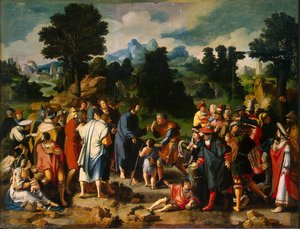
seventeen paintings surely attributed to lucas van leyden survive, including:- the healing of the blind man of jericho, a masterpiece showcasing multiple figures against wooded landscapes.
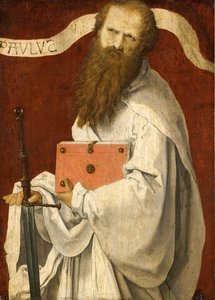
- saint paul, attr. leyden, exemplifying his engraving prowess.
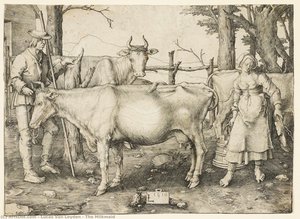
- the milkmaid (engraving, 1510), highlighting his early skill in the medium.
museum collections and online presence
lucas van leyden's works can be found in various museums, including the van gogh museum (netherlands), which houses an extensive collection of his engravings and paintings. online platforms like ArtsDot.com offer a comprehensive selection of his works, allowing art enthusiasts to explore his oeuvre in detail.legacy
lucas van leyden's contributions to dutch genre painting and engraving are undeniable. his innovative style and technical skill have made him a celebrated figure in the art world. as a pioneer of dutch art, his legacy continues to inspire artists and art lovers alike.- view lucas van leyden's artworks on ArtsDot.com
- explore the van gogh museum (netherlands) collection online
- discover more about dutch art and its pioneers on ArtsDot.com's blog
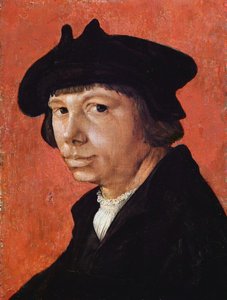
Lucas van Leyden
1494 - 1533 , Netherlands
Quick Facts
- Artistic Movement Or Style: Early Netherlandish Renaissance
- Artists Or Movements Influenced By This Artist: ['German Renaissance']
- Artists Who Influenced This Artist: ['Albrecht Dürer']
- Date Of Birth: Leiden, Netherlands (1494)
- Date Of Death: 1533
- Full Name: Lucas Hugensz van Leyden
- Nationality: Dutch
- Notable Artworks:
- The Healing of the Blind Man of Jericho
- Saint Paul
- The Milkmaid
- Place Of Birth: Leiden
Related Articles

Rembrandt's Masterpieces: Explore 25 Iconic Paintings & Prints | ArtsDot
Journey through Rembrandt van Rijn's 25 most iconic paintings & etchings. Explore Dutch Golden Age masterpieces, dramatic chiaroscuro, and timeless portraits. Find museum-quality art reproductions to elevate your home decor on ArtsDot.com.
Adriaen van Ostade: A Master of Dutch Genre Painting & Social Commentary
Explore the life & work of Adriaen van Ostade, a leading Dutch Golden Age painter. Discover his realistic genre scenes, social commentary, and lasting influence on art history. Learn more at ArtsDot.
Genre Painting: A Window into Daily Life & Societal Values of the Dutch Golden Age
Explore the captivating world of Dutch Golden Age genre painting! Discover realistic depictions of daily life, masterful artists like Ostade & Metsu, and hidden symbolism. Learn about this influential art movement with ArtsDot.
Jan van Goyen: Master of Dutch Landscape & Atmospheric Perspective
Discover Jan van Goyen, the master of Dutch landscape painting. Explore his subtle technique, atmospheric realism & lasting influence on art history. Learn about this 17th-century pioneer at ArtsDot.
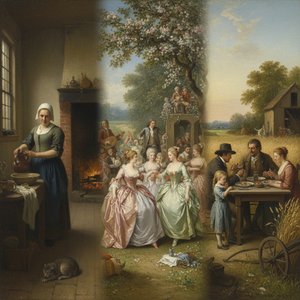
Scenes of Daily Life: A Comprehensive Exploration of Genre Painting Through History
Explore the rich history of genre painting! Discover Dutch Masters & European artists who captured everyday life with stunning realism. Learn about symbolism, techniques & lasting influence.