 Preview
 Send
Send Share
Share
 Details

 Download
 Similars
 X-Ray
X-Ray Diaporama
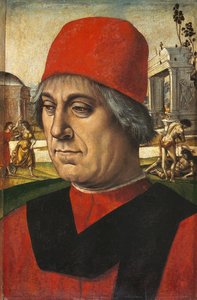
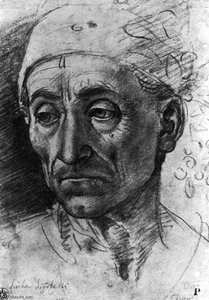
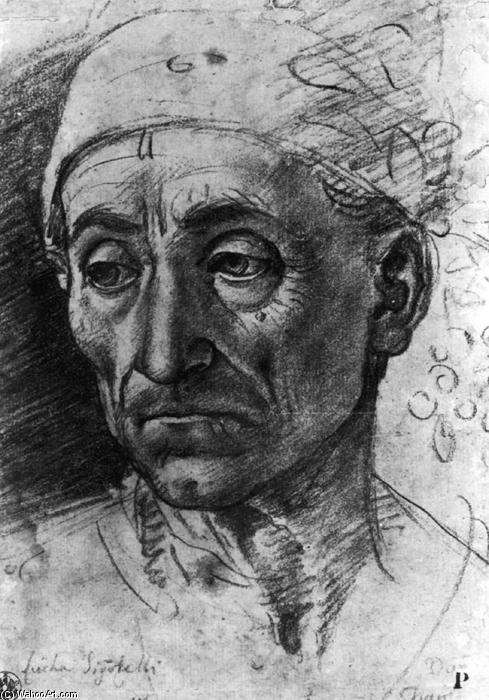
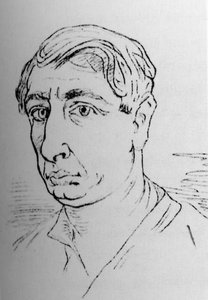
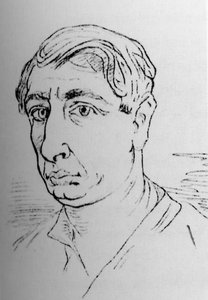
Head of a Poet Wearing a Cap
 Acrylic On Canvas
- WallArt
- Early Renaissance
 237.0 x 155.0 cm
 Staatliche Museen
 Read More
Giclée / Art Print
Museum-quality giclée or canvas print with fast production and flexible finish options. ( Buy Hand Made Painting Buy Image)




P118B $10

P118H $10

P118W $10

P438Z $10

P508JH $12

P508YH $12

P805H $10

P805Z $10

P919BZ $10

P919G $10

P919XJ $10

P959ZH $10

P968JZ $12

W106C $8

W218G $10

W218JH $8

W218Y $10

W307PJ $10

W316G $10

W316PJ $8

W316Y $10

W398PJ $8

W4111J $10

W500HY $15

W500JH $15

W692G $12

W849H $8

W940BG $15

W953PJ $8




Pick from our preset sizes that match the artwork's original proportions.

You may enter your own dimensions to fit a specific frame or space. If your selected size does not match the original image's proportions, we will either crop the artwork or extend the image with a mirrored or solid-fill edge. A digital mockup will be sent for your approval before production begins.
Please note that the on-screen preview does not reflect the actual cropping or extension. Only the mockup will accurately show the final composition.
While custom sizes are available, we recommend selecting a dimension from the predefined list to preserve the original proportions.
Worldwide Delivery () in 2 weeks instead of standard 4/5 weeks. (23 August)

Free Worldwide Express Shipping

High-Quality Linen Canvas

Full Shipping Insurance

Customs Tax Refund Guarantee

True Color Matching Guarantee

60-Day Return Policy (Defects Only)

100% Money-Back Guarantee

Bulk Discount Offer
 Glass option is only available in size under 110 CM

Head of a Poet Wearing a Cap
Giclée / Art Print
Reproduction Size
-


Total Price
$ 63
Collectible Description
Luca Signorelli’s Reverent Study: Decoding ‘Head of a Poet Wearing a Cap’
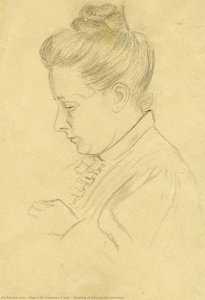
The pencil drawing “Head of a Poet Wearing a Cap,” attributed to Luca Signorelli (c. 1450-1523), stands as a testament to the meticulous observation and expressive artistry characteristic of the Early Renaissance. More than just a portrait sketch, it embodies the humanist ideals prevalent during this period—a celebration of intellect, contemplation, and artistic endeavor—captured with breathtaking precision through Signorelli’s masterful draughtsmanship. This piece offers a glimpse into the creative process itself, revealing not only an idealized depiction of human form but also the artist's profound engagement with capturing emotion and conveying subtle nuances of thought.A Window Into Renaissance Artistic Practice
Signorelli’s artistic journey began in Perugia, where he honed his skills under influential masters like Benedetto Bonfigli and Pinturicchio—artists deeply rooted in Umbrian tradition yet receptive to innovations from Florence. Giorgio Vasari recounts Signorelli's apprenticeship with Piero della Francesca by his maternal uncle, Lazaro Vasari, highlighting the importance of familial patronage and artistic mentorship within Renaissance Italy. His early works demonstrate a commitment to anatomical accuracy and a keen understanding of perspective—techniques that would become hallmarks of his later masterpieces, notably “The Last Judgment” at Orvieto Cathedral, a monumental fresco that cemented Signorelli’s reputation as one of the foremost painters of his time.Technical Brilliance: Foreshortening and Hatching's Dance
The drawing’s remarkable realism stems from Signorelli’s masterful application of artistic techniques. Primarily utilizing graphite pencils on paper, he employed hatching and cross-hatching to sculpt tonal variations and imbue the image with palpable volume—a technique perfected by artists like Leonardo da Vinci during this era. Careful attention was paid to capturing the contours of the face, hair texture, and folds in the clothing, demonstrating Signorelli’s dedication to anatomical precision. The directional lighting subtly illuminates the forehead, nose, and chin, creating depth and enhancing the dramatic effect—a deliberate choice reflecting the Renaissance fascination with chiaroscuro, a technique that utilizes contrasting light and shadow to heighten visual impact.Symbolism of Thoughtful Contemplation
Beyond its technical prowess, “Head of a Poet Wearing a Cap” resonates with symbolic significance. The cap itself—often associated with intellect and scholarly pursuits—represents Signorelli’s admiration for the humanist ideal of cultivating reason and virtue. Furthermore, the poet's gaze conveys an expression of profound contemplation—a reflection on inner thoughts and emotions—mirroring the Renaissance preoccupation with exploring the human psyche. This image serves as a poignant reminder that art transcends mere representation; it aspires to capture not only what is seen but also what is felt, embodying the spirit of a transformative artistic movement.A Legacy of Artistic Excellence
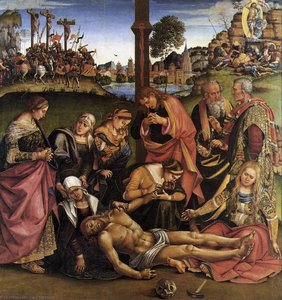
Luca Signorelli’s legacy extends far beyond this singular sketch. His monumental fresco “The Last Judgment” at Orvieto Cathedral remains an unparalleled achievement in Renaissance art—a breathtaking panorama of biblical narrative rendered with astonishing detail and emotional intensity. Studying Signorelli's work offers invaluable insight into the artistic sensibilities of his time, reminding us that true beauty lies not only in skillful execution but also in conveying profound ideas about human experience.Related Artworks
Artist Biography
early life and training
lucca signorelli, an italian renaissance painter, was born in cortona, tuscany, around 1450. his birthdate is uncertain, but it is believed to be between 1441 and 1445. he was known for his exceptional skill as a draftsman and his use of foreshortening.artistic career
signorelli's first impressions of art seem to have originated in perugia, where he was influenced by the styles of artists such as benedetto bonfigli,notable works
* the last judgment (1499-1503), orvieto cathedral - considered his masterpiece, this massive fresco showcases signorelli's skill in depicting the apocalypse and the last judgment. * the polyptych of st. medard (1507), museum san medardo, arcevia, italy - a prime example of signorelli's work, featuring a highly detailed and naturalistic depiction of the human form.art movement
signorelli was part of the italian renaissance movement, which marked the transition between medieval and early modern europe. this period saw a renewed emphasis on classical traditions, naturalism, and humanism.- the early renaissance art movement - a brief introduction to the art movement that shaped the course of art history.
- fra angelico - the renowned artist who influenced signorelli's work and was known for his exceptional skill as a painter.
- luca signorelli - a brief biography of the artist, featuring his notable works and art movement.
legacy
signorelli's work had a significant impact on the development of renaissance art. his use of foreshortening and skill as a draftsman influenced many artists who followed in his footsteps. as a prominent figure in the italian renaissance, signorelli's legacy continues to be celebrated through his works, which can be found in various museums and cathedrals throughout italy. important dates: * 1450: born in cortona, tuscany * 1499-1503: created the last judgment, orvieto cathedral * 1523: passed away, leaving behind a legacy of exceptional art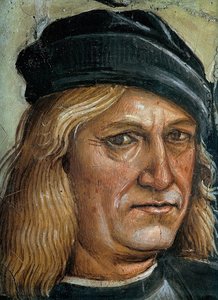
Luca Signorelli
1450 - 1523 , Italy
Quick Facts
- Artistic Movement Or Style: Renaissance
- Artists Or Movements Influenced By This Artist: ['Fra Angelico']
- Artists Who Influenced This Artist: ['Piero della Francesca']
- Date Of Death: 16 October 1523
- Full Name: Luca di Egidio di Ventura Signorelli
- Nationality: Italian
- Notable Artworks:
- The Last Judgment
- School of Pan
- Place Of Birth: Cortona, Italy
Related Articles
The Eloquent Line: Exploring the Artistic Significance of Sketches Across Movements and Media
Explore the profound artistic significance of sketches throughout history. From Renaissance masters to modern innovators like Van Gogh & Guston, discover how these foundational works reveal technique, emotion, and vision. Learn more at ArtsDot.
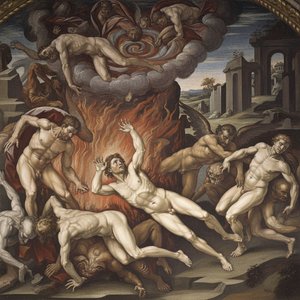
Luca Signorelli: Renaissance Innovation & Dramatic Foreshadowing of Modern Artistic Expression
Explore the revolutionary art of Luca Signorelli, a High Renaissance master renowned for his dramatic frescoes & anatomical precision. Discover his lasting impact on art history and techniques like foreshortening.

Leonardo da Vinci's Masterpieces: Explore 25 Iconic Artworks for Your Home | ArtsDot
Journey through Leonardo da Vinci's genius with our curated selection of 25 iconic artworks. Explore the stories behind Mona Lisa, The Last Supper & more Renaissance masterpieces. Find museum-quality art reproductions for your home at ArtsDot.com.
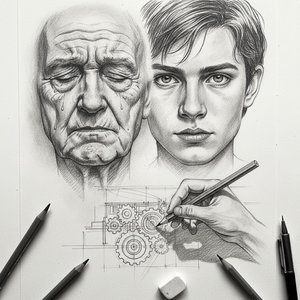
The Nuances of Graphite: Exploring Emotional Depth & Technical Mastery in Pencil Drawing
Explore the captivating world of graphite drawing! Discover its rich history, master essential techniques like chiaroscuro, and learn how artists evoke emotion through this timeless medium. Expert insights for art enthusiasts.
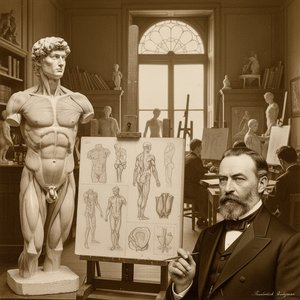
Frederick Bridgman: Anatomical Mastery & the Evolution of Figure Drawing Instruction
Explore the anatomical mastery of George B. Bridgman & his revolutionary figure drawing techniques. Discover how his methods transformed art instruction and continue to inspire artists today. Learn more at ArtsDot.