 Preview
 Send
Send Share
Share
 Details

 Download
 Similars
 X-Ray
X-Ray Diaporama
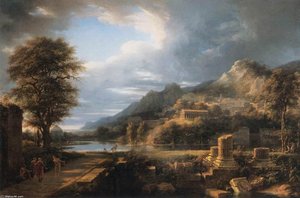
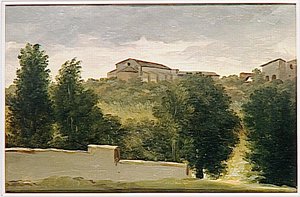
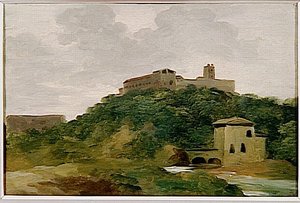
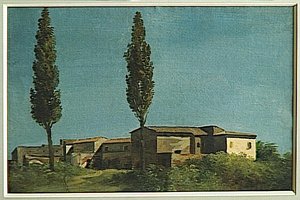
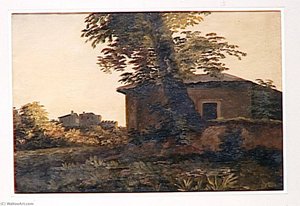
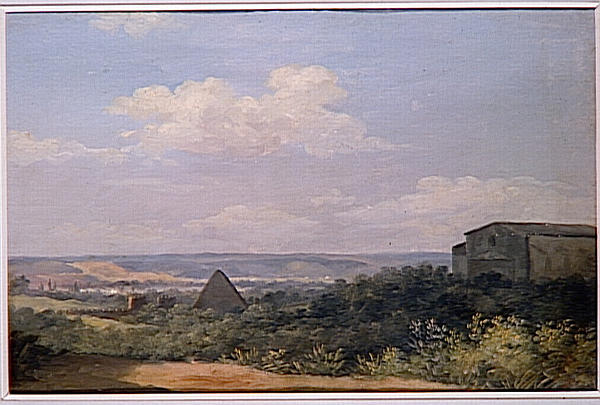
LA PYRAMIDE DE CESTIUS A ROME


 Read More
Giclée / Art Print
Museum-quality giclée or canvas print with fast production and flexible finish options. ( Buy Hand Made Painting Buy Image)




P118B $10

P118H $10

P118W $10

P438Z $10

P508JH $12

P508YH $12

P805H $10

P805Z $10

P919BZ $10

P919G $10

P919XJ $10

P959ZH $10

P968JZ $12

W106C $8

W218G $10

W218JH $8

W218Y $10

W307PJ $10

W316G $10

W316PJ $8

W316Y $10

W398PJ $8

W4111J $10

W500HY $15

W500JH $15

W692G $12

W849H $8

W940BG $15

W953PJ $8




Pick from our preset sizes that match the artwork's original proportions.

You may enter your own dimensions to fit a specific frame or space. If your selected size does not match the original image's proportions, we will either crop the artwork or extend the image with a mirrored or solid-fill edge. A digital mockup will be sent for your approval before production begins.
Please note that the on-screen preview does not reflect the actual cropping or extension. Only the mockup will accurately show the final composition.
While custom sizes are available, we recommend selecting a dimension from the predefined list to preserve the original proportions.
Worldwide Delivery () in 2 weeks instead of standard 4/5 weeks. (22 August)

Free Worldwide Express Shipping

High-Quality Linen Canvas

Full Shipping Insurance

Customs Tax Refund Guarantee

True Color Matching Guarantee

60-Day Return Policy (Defects Only)

100% Money-Back Guarantee

Bulk Discount Offer
 Glass option is only available in size under 110 CM

LA PYRAMIDE DE CESTIUS A ROME
Giclée / Art Print
Reproduction Size
-


Total Price
$ 63
Collectible Description
Landscape with the Pyramid of Gaius Cestius, Rome
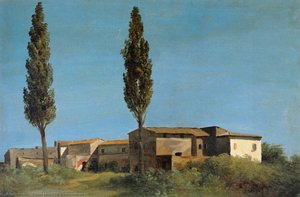
Pierre Henri de Valenciennes’ “Landscape with the Pyramid of Gaius Cestius, Rome” transcends mere depiction; it's an immersive experience into a pivotal moment in Roman history and artistic innovation. Painted circa 1782-1784 during Valenciennes’ formative years in Rome—a city pulsating with classical grandeur and burgeoning Romantic fervor—the artwork captures the essence of an era grappling with both tradition and burgeoning emotion.- Subject Matter: The painting centers on the Pyramid of Cestius, a monumental tomb erected by Gaius Cestius Epulo, a wealthy Roman magistrate who commissioned it in the style of Nubian pyramids as a testament to his lineage and status. Its location—a crossroads of ancient roads—symbolizes Rome’s enduring connection to its past while simultaneously highlighting its vulnerability to time and decay.
- Style: Valenciennes' work firmly establishes itself within the Romantic movement, prioritizing atmospheric perspective and emotional response over strict realism. The hazy sky dominates the composition, mirroring the Romantic preoccupation with sublime landscapes—those capable of inspiring awe and conveying profound feelings about humanity’s place in nature.
- Technique: Executed in oil paint on canvas, Valenciennes skillfully employs layering techniques to achieve a remarkable illusion of depth. Soft brushstrokes blend seamlessly together, creating a velvety surface that captures the subtle nuances of light and shadow—a hallmark of Valenciennes’ meticulous attention to detail and his mastery of chiaroscuro.
- Color Palette: The subdued color palette—characterized by muted blues, grays, browns, and greens—contributes significantly to the painting's melancholic mood. These colors evoke a sense of nostalgia for antiquity and underscore the passage of time, mirroring the Romantic fascination with ruins and memories.
- Composition: The horizontal format emphasizes the vastness of the landscape, grounding the pyramid in its surroundings. Valenciennes’ deliberate placement of the pyramid slightly off-center draws the viewer's eye towards it while maintaining visual balance—a compositional strategy that reflects Romantic ideals of harmony and grandeur.
- La Pyramide de Cestius à Rome - Explore Valenciennes’ artistic philosophy and his groundbreaking concept of the ‘landscape portrait.’
- Landscape with the Pyramid of Gaius Cestius, Rome – Examine a comparable artwork by Valenciennes at The Metropolitan Museum of Art for comparative stylistic analysis.
Related Artworks
Artist Biography
early life and training
pierre-henri de valenciennes, a french painter, was born on december 6, 1750. his birthplace is not specified in available records, but his contributions to the art world are well-documented. de valenciennes' early training and education are not extensively recorded, but it is known that he worked in rome from 1778 to 1782, where he made a number of landscape studies directly from nature.contributions to en plein air painting
de valenciennes was influential in elevating the status of en plein air (open-air painting). his work in rome led to the development of his theory, which he outlined in his 1800 treatise reflections and advice to a student on painting, particularly on landscape. this concept introduced the idea of a 'landscape portrait,' where an artist paints a landscape directly while looking upon it, capturing its particular details. this approach allowed de valenciennes to capture the fleeting changes of a landscape due to light and weather.notable students and influence
among his notable students were jean-victor bertin, achille etna michallon, louis étienne watelet, louis-françois lejeune, and the first french panorama painter pierre prévost. de valenciennes' influence on these artists and his contributions to the development of en plein air painting have left a lasting impact on the art world.later life and death
de valenciennes passed away in paris on february 16, 1819. he is buried in the père lachaise cemetery, a famous cemetery in paris known for its notable residents.- view pierre-henri de valenciennes's artwork on ArtsDot.com
- explore the musée des beaux-arts valence, a museum featuring european paintings and sculptures, on ArtsDot.com
- discover more about french art and its history on wikipedia
legacy
pierre-henri de valenciennes's legacy in the art world is undeniable. his pioneering work in en plein air painting has inspired generations of artists, and his influence can still be seen today. through his treatise and his students, de valenciennes has left an indelible mark on the world of art.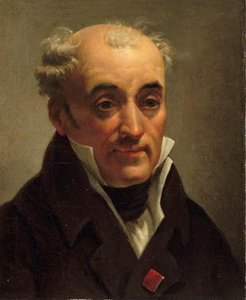
Pierre-Henri de Valenciennes
1750 - 1819 , France
Quick Facts
- Artistic Movement Or Style: En plein air painting
- Artists Or Movements Influenced By This Artist: ['Pierre Chauvin']
- Artists Who Influenced This Artist:
- Jean Victor Bertin
- Achille Etna Michallon
- Date Of Birth: December 6, 1750
- Date Of Death: February 16, 1819
- Full Name: Pierre Henri de Valenciennes
- Nationality: French
- Notable Artworks:
- Village de Nemi
- A LA Villa Borghese Chemin borde d'arbres
- Place Of Birth: Toulouse, France
Related Articles

The Fresco as Family Legacy: Preserving Heritage Through Wall Art
Explore the rich history & enduring legacy of fresco painting. Discover how to preserve family heritage through stunning wall art. Expert insights & restoration guidance.

The Enduring Legacy of Fresco: Technique, History & Artistic Expression Across Cultures
Explore the rich history & enduring legacy of fresco painting! Discover ancient techniques, Giotto's masterpieces, and modern applications. Expert insights for art lovers & professionals.

The Enduring Legacy of Fresco Painting: Techniques, History & Contemporary Relevance
Explore the rich history & enduring artistry of fresco painting – from Giotto to Michelangelo! Discover techniques, conservation efforts, & modern applications. Learn how ArtsDot brings this timeless art form to your home.

Art That Lives With You: The Emotional Power of a Custom Interior Fresco
Discover the emotional power & timeless beauty of custom interior frescoes. Explore history, design tips & expert guidance from – creating lasting legacies.
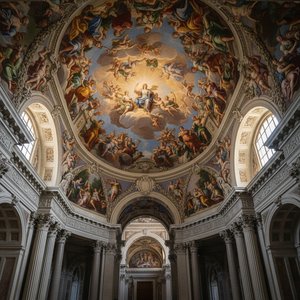
Pietro da Cortona: Baroque Grandeur & the Synthesis of Roman Painting
Explore the life & masterpieces of Pietro da Cortona, a defining figure of the Italian Baroque. Discover his stunning frescoes at Palazzo Barberini and lasting influence on Roman art history. Learn more with ArtsDot.