 Preview
 Send
Send Share
Share
 Details

 Download
 Similars
 X-Ray
X-Ray Diaporama
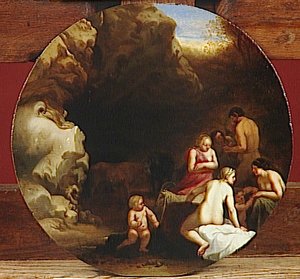
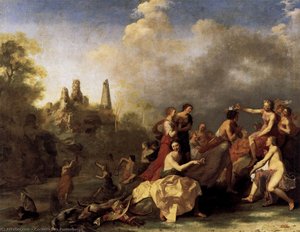
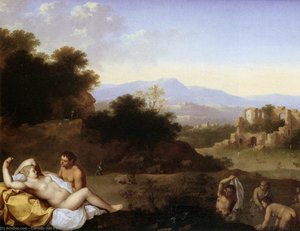
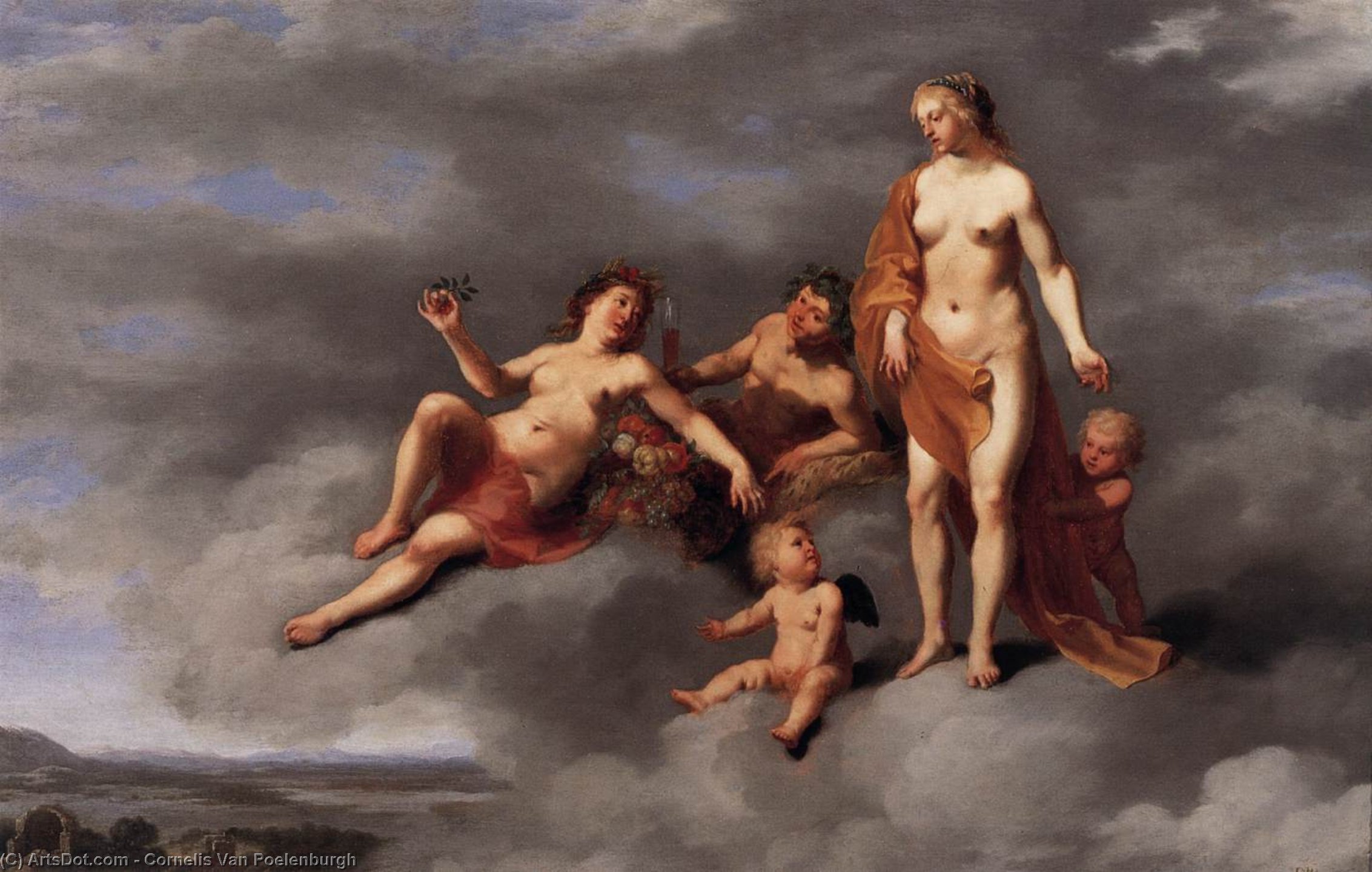
Sine Cerere et Baccho friget Venus
 Oil
Oil- WallArt
- Baroque
 1630
1630- Early Modern
 33.0 x 50.0 cm
 Academy of Fine Arts Vienna
 Read More
Hand Made Oil Reproduction
Hand-painted oil on canvas in your size and frame, made to order by our artists. ( Buy Print Buy Image)




P118B $10

P118H $10

P118W $10

P438Z $10

P508JH $12

P508YH $12

P805H $10

P805Z $10

P919BZ $10

P919G $10

P919XJ $10

P959ZH $10

P968JZ $12

W106C $8

W218G $10

W218JH $8

W218Y $10

W307PJ $10

W316G $10

W316PJ $8

W316Y $10

W398PJ $8

W4111J $10

W500HY $15

W500JH $15

W692G $12

W849H $8

W940BG $15

W953PJ $8




Pick from our preset sizes that match the artwork's original proportions.

You may enter your own dimensions to fit a specific frame or space. If your selected size does not match the original image's proportions, we will either crop the artwork or extend the painting with additional hand-painted elements. A digital mockup will be sent for your approval before production begins.
Please note that the on-screen preview does not reflect the actual cropping or extension. Only the mockup will accurately show the final composition.
While custom sizes are available, we recommend selecting a dimension from the predefined list to preserve the original proportions.
After order, ArtsDot.com team will email client for instructions and provide a mockup preview
Worldwide Delivery () in 3/4 weeks instead of standard 5 weeks. (23 August). No compromise on quality.

Free Worldwide Express Shipping

High-Quality Linen Canvas

Full Shipping Insurance

Customs Tax Refund Guarantee

True Color Matching Guarantee

60-Day Return Policy (Defects Only)

100% Money-Back Guarantee

Bulk Discount Offer
 Glass option is only available in size under 110 CM

Sine Cerere et Baccho friget Venus
Reproduction Medium
Reproduction Size
-


Total Price
$ 263
Artwork Description
A Celestial Dance of Love and Abundance
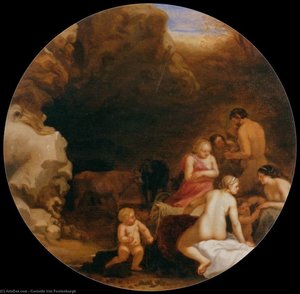
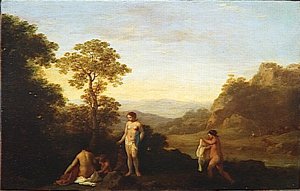
In the delicate dance of 17th-century mythological storytelling, few works capture the ethereal grace of the divine as masterfully as Cornelis van Poelenburch’s Sine Cerere et Baccho friget Venus. This exquisite piece, dating from approximately 1630, invites the viewer into a dreamlike realm where the boundaries between the earthly and the celestial dissolve. At the heart of this composition, the Roman goddess Venus is depicted in a moment of sublime transcendence. Positioned centrally with her arms outstretched, she appears to drift through an idealized atmosphere, perhaps buoyed by the very breath of the gods. The painting does not merely depict a scene; it captures a state of being, where the lightness of love meets the weight of classical myth.
The composition is a masterclass in balance and movement. While Venus commands the center, her presence is harmoniously supported by figures positioned at the periphery, creating a circular energy that draws the eye inward before allowing it to wander through the lush, Italianate landscape. These surrounding figures, engaged in various classical poses, add layers of narrative depth, suggesting a world teeming with life and mythological significance. For the discerning collector or interior designer, this painting offers a focal point that is both commanding and serene, making it an ideal centerpiece for a room designed to evoke sophistication and timelessness.
The Mastery of the Dutch-Italianate Style
Cornelis van Poelenburch was a pivotal figure in the first generation of Dutch landscape painters active in Italy, and this work serves as a testament to that unique stylistic fusion. Having trained under Abraham Bloemaert in Utrecht before finding inspiration in the light of Rome, Van Poelenburch developed a technique characterized by small-scale precision and luminous color. In Sine Cerere et Baccho friget Venus, one can observe his ability to render soft, atmospheric textures that make the skin of the deities appear almost translucent against the backdrop of an idyllic landscape.
The title itself carries profound symbolic weight, translating to a sentiment that "Venus freezes without Ceres and Bacchus." This refers to the classical idea that love cannot flourish without the presence of nourishment (Ceres) and the joy of wine (Bacchus). Through this subtle allegory, Van Poelenburch weaves a tapestry of interconnected needs—the necessity of sustenance and merriment to sustain passion. The technique used here—layering fine glazes to achieve a gentle glow—ensures that the painting retains a sense of warmth and vitality, even centuries after its creation. It is a work that speaks to the harmony of the senses, making it an evocative choice for those looking to infuse their spaces with a sense of classical wisdom and aesthetic delight.
An Inspiration for Elegant Interiors
For those seeking to curate a collection of high-quality reproductions, this piece offers unparalleled versatility. Its intimate scale—measuring 33 x 50 cm—allows it to be integrated into diverse settings, from a quiet study filled with leather-bound books to a bright, modern gallery wall. The soft palette and the romantic subject matter provide a soothing emotional impact, capable of transforming a room's atmosphere into one of contemplative beauty.
When selecting a reproduction of such a significant work, one is not merely purchasing an image, but a fragment of art history. The meticulous attention to the light hitting the figures and the delicate landscape elements ensures that the essence of Van Poelenburch’s genius is preserved. Whether used to complement classical decor or to provide a sophisticated contrast in a contemporary setting, this painting remains a timeless tribute to the enduring power of myth and the eternal beauty of the natural world.
Related Artworks
Artist Biography
early life and training
cornelis van poelenburgh, a prominent dutch landscape painter, was born in utrecht, netherlands in 1594. he initially trained with abraham bloemaert, a renowned artist of the time. this foundational training laid the groundwork for van poelenburch's future success.artistic career and influences
van poelenburch's travels to rome in the early 17th century significantly influenced his work, making him a leading representative of the first generation of dutch landscape painters active in italy. his small-scale paintings, often featuring italianate landscapes with small figures enacting biblical or mythological scenes, showcased his unique style. notable works:- satyrs spying on nymphs (after 1627), a characteristic example of van poelenburch's work, featuring archaic landscapes with figures bathing. (view on ArtsDot)
- council of the gods (c. 1630), a painting showcasing van poelenburch's idealized hilly landscape and roman-inspired goddesses, now housed in the mauritshuis (the hague, netherlands). (view on ArtsDot)
legacy and later life
van poelenburch's work was highly regarded by his contemporaries, including the grand duke of tuscany and the dutch stadholder. he later returned to utrecht, where he passed away in 1667, just a few years after his old teacher abraham bloemaert. key points:- born in utrecht, netherlands in 1594
- trained with abraham bloemaert
- influenced by his time in rome
- known for small-scale italianate landscapes with figures
- died in utrecht in 1667 view cornelis van poelenburch's artworks on ArtsDot learn more about cornelis van poelenburgh on wikipedia
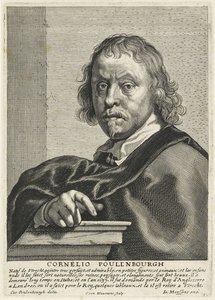
cornelis van poelenburch
1594 - 1667 , Netherlands
Quick Facts
- Artistic Movement Or Style: Dutch Landscape, Romanate
- Artists Or Movements Influenced By This Artist: ['Claude Lorraine']
- Artists Who Influenced This Artist: ['Abraham Bloemaert']
- Date Of Birth: 1594, Utrecht, Netherlands
- Date Of Death: 1667, Utrecht, Netherlands
- Full Name: Cornelis van Poelenburgh
- Nationality: Dutch
- Notable Artworks:
- Satyrs spying on nymphs
- Council of the gods
- Place Of Birth: Utrecht, Netherlands
Related Articles
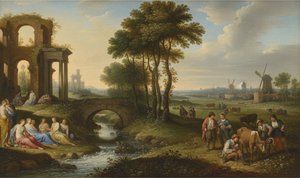
Cornelis van Poelenburch: Bridging Mannerism & the Dutch Baroque Landscape
Discover Cornelis van Poelenburch, a pivotal Dutch Baroque landscape painter bridging Mannerism & Italianate styles. Explore his life, key works, and lasting influence on 17th-century art with ArtsDot.
Nicolaes Berchem: Dutch Golden Age Pastoralism & the Evolution of Landscape Painting
Explore the captivating world of Nicolaes Berchem, a leading Dutch Golden Age painter. Discover his idyllic landscapes, masterful technique & lasting influence on art history. Learn more at ArtsDot.
Golden Light & Dutch Skies: Bringing the Magic of Dutch Golden Age Landscapes into Your Home
Transform your home with the breathtaking light of Dutch Golden Age landscapes. Discover how hand-painted oil reproductions of masterworks like Ruisdael and Vermeer bring timeless elegance, atmosphere, and soulful texture to modern interiors. Elevate your space with museum-quality art.
Charles Leickert: Capturing the Dutch Golden Age Light – A Comprehensive Study of Technique, Context, and Legacy
Explore the captivating winter landscapes of Charles Leickert, a master of Dutch Golden Age light & atmosphere. Discover his techniques, symbolism, and lasting legacy – a comprehensive study for art enthusiasts and collectors.
Jan van Goyen: Master of Dutch Landscape & Atmospheric Perspective
Discover Jan van Goyen, the master of Dutch landscape painting. Explore his subtle technique, atmospheric realism & lasting influence on art history. Learn about this 17th-century pioneer at ArtsDot.